Overview
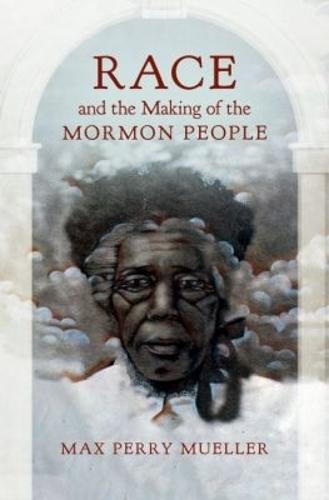
The nineteenth-century history of the Church of Jesus Christ of Latter-day Saints, Max Perry Mueller argues, illuminates the role that religion played in forming the notion of three """"original"""" American races—red, black, and white—for Mormons and others in the early American Republic. Recovering the voices of a handful of black and Native American Mormons who resolutely wrote themselves into the Mormon archive, Mueller threads together historical experience and Mormon scriptural interpretations. He finds that the Book of Mormon is key to understanding how early followers reflected but also departed from antebellum conceptions of race as biblically and biologically predetermined. Mormon theology and policy both challenged and reaffirmed the essentialist nature of the racialized American experience. The Book of Mormon presented its believers with a radical worldview, proclaiming that all schisms within the human family were anathematic to God's design. That said, church founders were not racial egalitarians. They promoted whiteness as an aspirational racial identity that nonwhites could achieve through conversion to Mormonism. Mueller also shows how, on a broader level, scripture and history may become mutually constituted. For the Mormons, that process shaped a religious movement in perpetual tension between its racialist and universalist impulses during an era before the concept of race was secularized.
Full Product Details
Author: Max Perry Mueller
Publisher: The University of North Carolina Press
Imprint: The University of North Carolina Press
Dimensions:
Width: 15.50cm
, Height: 2.30cm
, Length: 23.30cm
Weight: 0.640kg
ISBN: 9781469633756
ISBN 10: 1469633752
Pages: 352
Publication Date: 30 September 2017
Audience:
Professional and scholarly
,
Professional & Vocational
Format: Hardback
Publisher's Status: Active
Availability: Manufactured on demand

We will order this item for you from a manufactured on demand supplier.
Reviews
Mueller is to be praised for producing a richly argued and nuanced account of Mormon racial history. This provocative book deserves a careful reading from students and scholars of the Mormon past.--BYU Studies Quarterly Engages deeply with the text of the Book of Mormon.--Juvenile Instructor: A Mormon History Blog Outstanding analysis of the role of race among Mormons.--Choice Mueller's excellent book tells us that race is a story we collectively write about ourselves.--Association for Mormon Letters Mueller's attention to the way that the racialized narrative of the Book of Mormon affected early Mormon assumptions about race is an important intervention.--Harvard Divinity School Bulletin Mueller's account is both arresting and insightful. His understanding of Mormon scripture--particularly the Book of Mormon--is thorough and comprehensive. And his contextualization of Mormon racial teachings vis-a-vis broader currents in nineteenth-century America helps readers discern what was unique about Mormon racial teachings.--BYU Studies Quarterly Max Perry Mueller's highly anticipated book... [examines] race as a constitutive factor in the formation of Mormonism. Mueller takes on a wide range of questions about early Mormonism and race, but the answers to all of those questions resolve... to make clear a distinction between the ideologies and practices of race that defined the church for most of its history and the set of possibilities available in its founding texts.--Seth Perry, author of Bible Culture and Authority in the Early United States If the scholarship surrounding the history of Mormonism were a target . . . Max Perry Mueller's Race and the Making of the Mormon People strikes the center of that target with pinpoint accuracy.--Western Historical Quarterly Unlike many other works of race and Mormonism, Mueller pushes beyond only understanding white Mormon identities. He explains Mormons sought to create a distinctly white Mormon race and then stresses nonwhite Mormon perspectives and experiences. He explores what white might mean to African American and Native American Mormons thereby (re) centering the focus of Mormon constructs of race on African Americans, Native Americans, and nonwhite Mormons who influenced the LDS Church and its community.--Farina King (Dine), author of The Earth Memory Compass: Dine Landscapes and Education in the Twentieth Century [Mueller's] hermeneutic enterprise brings additional insight to a book rich in detail.---American Historical Review A mature, meditative, and mighty engagement with a complex topic. Scholars of American religion and race, not to mention those engaged in the academic analysis of Mormonism, will be struggling with his conclusions for quite some time.--Benjamin Park, The Junto Argues that Mormonism is a quintessentially American religion. . . . Yet, while the story of race and the LDS Church is similar to other American experiences of race, it's also distinctive, leaving Mormons to grapple with the legacy of racism and white supremacy in their own way. --The Atlantic Unearths the buried stories of black Mormons such as Jane Manning James, who was close to Mormon founders like the (Joseph) Smith family.-- Martin Marty, Sightings Argues that the Book of Mormon both reinforced and challenged nineteenth-century Americans' ideas about race--and that it set the stage for how Mormonism would develop in the decades to come. --Jana Riess, Religion News Service Mueller becomes somewhat like one of the angels in Revelation, forcing us to compare ideals, history, and hopes against what the outside world's paradigm would allow us to become.--Association for Mormon Letters
A mature, meditative, and mighty engagement with a complex topic. Scholars of American religion and race, not to mention those engaged in the academic analysis of Mormonism, will be struggling with his conclusions for quite some time.--Benjamin Park, Junto Argues that Mormonism is a quintessentially American religion. . . . Yet, while the story of race and the LDS Church is similar to other American experiences of race, it's also distinctive, leaving Mormons to grapple with the legacy of racism and white supremacy in their own way. --The Atlantic Unearths the buried stories of black Mormons such as Jane Manning James, who was close to Mormon founders like the (Joseph) Smith family.-- Martin Marty, Sightings Mueller becomes somewhat like one of the angels in Revelation, forcing us to compare ideals, history, and hopes against what the outside world's paradigm would allow us to become.--Association for Mormon Letters Mueller's excellent book tells us that race is a story we collectively write about ourselves.--Association for Mormon Letters Argues that the Book of Mormon both reinforced and challenged nineteenth-century Americans' ideas about race--and that it set the stage for how Mormonism would develop in the decades to come. --Jana Riess, Religion News Service
A mature, meditative, and mighty engagement with a complex topic. Scholars of American religion and race, not to mention those engaged in the academic analysis of Mormonism, will be struggling with his conclusions for quite some time.--Benjamin Park, The Junto Engages deeply with the text of the Book of Mormon.--Juvenile Instructor: A Mormon History Blog Argues that Mormonism is a quintessentially American religion. . . . Yet, while the story of race and the LDS Church is similar to other American experiences of race, it's also distinctive, leaving Mormons to grapple with the legacy of racism and white supremacy in their own way. --The Atlantic Unearths the buried stories of black Mormons such as Jane Manning James, who was close to Mormon founders like the (Joseph) Smith family.-- Martin Marty, Sightings Mueller becomes somewhat like one of the angels in Revelation, forcing us to compare ideals, history, and hopes against what the outside world's paradigm would allow us to become.--Association for Mormon Letters Mueller's excellent book tells us that race is a story we collectively write about ourselves.--Association for Mormon Letters Argues that the Book of Mormon both reinforced and challenged nineteenth-century Americans' ideas about race--and that it set the stage for how Mormonism would develop in the decades to come. --Jana Riess, Religion News Service
"[Mueller's] hermeneutic enterprise brings additional insight to a book rich in detail.""--American Historical Review Argues that the Book of Mormon both reinforced and challenged nineteenth-century Americans' ideas about race--and that it set the stage for how Mormonism would develop in the decades to come.""--Jana Riess, Religion News Service Argues that Mormonism is a quintessentially American religion. . . . Yet, while the story of race and the LDS Church is similar to other American experiences of race, it's also distinctive, leaving Mormons to grapple with the legacy of racism and white supremacy in their own way.""--The Atlantic Max Perry Mueller's highly anticipated book... [examines] race as a constitutive factor in the formation of Mormonism. Mueller takes on a wide range of questions about early Mormonism and race, but the answers to all of those questions resolve... to make clear a distinction between the ideologies and practices of race that defined the church for most of its history and the set of possibilities available in its founding texts.""--Seth Perry, author of Bible Culture and Authority in the Early United States Mueller becomes somewhat like one of the angels in Revelation, forcing us to compare ideals, history, and hopes against what the outside world's paradigm would allow us to become.""--Association for Mormon Letters Mueller's excellent book tells us that race is a story we collectively write about ourselves.""--Association for Mormon Letters Outstanding analysis of the role of race among Mormons.""--Choice Unearths the buried stories of black Mormons such as Jane Manning James, who was close to Mormon founders like the (Joseph) Smith family.""--Martin Marty, Sightings Unlike many other works of race and Mormonism, Mueller pushes beyond only understanding white Mormon identities. He explains Mormons sought to create a ""distinctly white Mormon race"" and then stresses nonwhite Mormon perspectives and experiences. He explores what ""white"" might mean to African American and Native American Mormons thereby (re) centering the focus of Mormon constructs of race on African Americans, Native Americans, and nonwhite Mormons who influenced the LDS Church and its community.""--Farina King (Dine), author of The Earth Memory Compass: Dine Landscapes and Education in the Twentieth Century A mature, meditative, and mighty engagement with a complex topic. Scholars of American religion and race, not to mention those engaged in the academic analysis of Mormonism, will be struggling with his conclusions for quite some time.--Benjamin Park, The Junto"
Ambitious . . . . Advances a thesis with which all future works on Mormonism and race will have to contend.--Nova Religio Mueller is to be praised for producing a richly argued and nuanced account of Mormon racial history. This provocative book deserves a careful reading from students and scholars of the Mormon past.--BYU Studies Quarterly Outstanding analysis of the role of race among Mormons.--Choice Engages deeply with the text of the Book of Mormon.--Juvenile Instructor: A Mormon History Blog Mueller's excellent book tells us that race is a story we collectively write about ourselves.--Association for Mormon Letters If the scholarship surrounding the history of Mormonism were a target . . . Max Perry Mueller's Race and the Making of the Mormon People strikes the center of that target with pinpoint accuracy.--Western Historical Quarterly Unlike many other works of race and Mormonism, Mueller pushes beyond only understanding white Mormon identities. He explains Mormons sought to create a distinctly white Mormon race and then stresses nonwhite Mormon perspectives and experiences. He explores what white might mean to African American and Native American Mormons thereby (re) centering the focus of Mormon constructs of race on African Americans, Native Americans, and nonwhite Mormons who influenced the LDS Church and its community.--Farina King (Dine), author of The Earth Memory Compass: Dine Landscapes and Education in the Twentieth Century Mueller's attention to the way that the racialized narrative of the Book of Mormon affected early Mormon assumptions about race is an important intervention.--Harvard Divinity School Bulletin Max Perry Mueller's highly anticipated book... [examines] race as a constitutive factor in the formation of Mormonism. Mueller takes on a wide range of questions about early Mormonism and race, but the answers to all of those questions resolve... to make clear a distinction between the ideologies and practices of race that defined the church for most of its history and the set of possibilities available in its founding texts.--Seth Perry, author of Bible Culture and Authority in the Early United States Mueller's account is both arresting and insightful. His understanding of Mormon scripture--particularly the Book of Mormon--is thorough and comprehensive. And his contextualization of Mormon racial teachings vis-a-vis broader currents in nineteenth-century America helps readers discern what was unique about Mormon racial teachings.--BYU Studies Quarterly [Mueller's] hermeneutic enterprise brings additional insight to a book rich in detail.---American Historical Review A mature, meditative, and mighty engagement with a complex topic. Scholars of American religion and race, not to mention those engaged in the academic analysis of Mormonism, will be struggling with his conclusions for quite some time.--Benjamin Park, The Junto Argues that Mormonism is a quintessentially American religion. . . . Yet, while the story of race and the LDS Church is similar to other American experiences of race, it's also distinctive, leaving Mormons to grapple with the legacy of racism and white supremacy in their own way. --The Atlantic Unearths the buried stories of black Mormons such as Jane Manning James, who was close to Mormon founders like the (Joseph) Smith family.-- Martin Marty, Sightings Mueller becomes somewhat like one of the angels in Revelation, forcing us to compare ideals, history, and hopes against what the outside world's paradigm would allow us to become.--Association for Mormon Letters Argues that the Book of Mormon both reinforced and challenged nineteenth-century Americans' ideas about race--and that it set the stage for how Mormonism would develop in the decades to come. --Jana Riess, Religion News Service
Outstanding analysis of the role of race among Mormons.--Choice [Mueller's] hermeneutic enterprise brings additional insight to a book rich in detail.---American Historical Review A mature, meditative, and mighty engagement with a complex topic. Scholars of American religion and race, not to mention those engaged in the academic analysis of Mormonism, will be struggling with his conclusions for quite some time.--Benjamin Park, The Junto Engages deeply with the text of the Book of Mormon.--Juvenile Instructor: A Mormon History Blog Argues that Mormonism is a quintessentially American religion. . . . Yet, while the story of race and the LDS Church is similar to other American experiences of race, it's also distinctive, leaving Mormons to grapple with the legacy of racism and white supremacy in their own way. --The Atlantic Unearths the buried stories of black Mormons such as Jane Manning James, who was close to Mormon founders like the (Joseph) Smith family.-- Martin Marty, Sightings Mueller becomes somewhat like one of the angels in Revelation, forcing us to compare ideals, history, and hopes against what the outside world's paradigm would allow us to become.--Association for Mormon Letters Mueller's excellent book tells us that race is a story we collectively write about ourselves.--Association for Mormon Letters Argues that the Book of Mormon both reinforced and challenged nineteenth-century Americans' ideas about race--and that it set the stage for how Mormonism would develop in the decades to come. --Jana Riess, Religion News Service
Mueller's attention to the way that the racialized narrative of the Book of Mormon affected early Mormon assumptions about race is an important intervention.--Harvard Divinity School Bulletin Max Perry Mueller's highly anticipated book... [examines] race as a constitutive factor in the formation of Mormonism. Mueller takes on a wide range of questions about early Mormonism and race, but the answers to all of those questions resolve... to make clear a distinction between the ideologies and practices of race that defined the church for most of its history and the set of possibilities available in its founding texts.--Seth Perry, author of Bible Culture and Authority in the Early United States If the scholarship surrounding the history of Mormonism were a target . . . Max Perry Mueller's Race and the Making of the Mormon People strikes the center of that target with pinpoint accuracy.--Western Historical Quarterly Mueller's account is both arresting and insightful. His understanding of Mormon scripture--particularly the Book of Mormon--is thorough and comprehensive. And his contextualization of Mormon racial teachings vis-a-vis broader currents in nineteenth-century America helps readers discern what was unique about Mormon racial teachings.--BYU Studies Quarterly Unlike many other works of race and Mormonism, Mueller pushes beyond only understanding white Mormon identities. He explains Mormons sought to create a distinctly white Mormon race and then stresses nonwhite Mormon perspectives and experiences. He explores what white might mean to African American and Native American Mormons thereby (re) centering the focus of Mormon constructs of race on African Americans, Native Americans, and nonwhite Mormons who influenced the LDS Church and its community.--Farina King (Dine), author of The Earth Memory Compass: Dine Landscapes and Education in the Twentieth Century [Mueller's] hermeneutic enterprise brings additional insight to a book rich in detail.---American Historical Review A mature, meditative, and mighty engagement with a complex topic. Scholars of American religion and race, not to mention those engaged in the academic analysis of Mormonism, will be struggling with his conclusions for quite some time.--Benjamin Park, The Junto Argues that Mormonism is a quintessentially American religion. . . . Yet, while the story of race and the LDS Church is similar to other American experiences of race, it's also distinctive, leaving Mormons to grapple with the legacy of racism and white supremacy in their own way. --The Atlantic Unearths the buried stories of black Mormons such as Jane Manning James, who was close to Mormon founders like the (Joseph) Smith family.-- Martin Marty, Sightings Mueller becomes somewhat like one of the angels in Revelation, forcing us to compare ideals, history, and hopes against what the outside world's paradigm would allow us to become.--Association for Mormon Letters Argues that the Book of Mormon both reinforced and challenged nineteenth-century Americans' ideas about race--and that it set the stage for how Mormonism would develop in the decades to come. --Jana Riess, Religion News Service
Author Information
Max Perry Mueller is assistant professor of religious studies at the University of Nebraska.