|
|
|||
|
||||
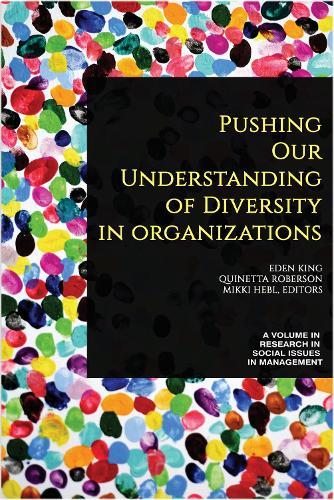
OverviewFew time periods in the past five decades match the intensity of intergroup conflict that people around the world are currently experiencing. Polarized attitudes around various sociopolitical issues, such as gender equality and immigration, have dominated the media and our lives. Furthermore, these powerful social dynamics have also impacted the places where we work and intensified existing strains on workers and workplaces. To address these issues and improve organizational climates, more theories, research and collaborations to understand these phenomena are needed. The volumes in this series will describe and instigate scholarship that advances our understanding of diversity in organizations. This volume features renowned scholars who are unabashedly pushing the field by raising the questions that need to be asked, by working on topics that have received far too little research attention, and by holding researchers, practitioners, managers, organizations, and readers to task for doing what needs to be done to maximize social justice and egalitarian behaviors in the workplace. The chapters provoke the status quo in society and in scholarship, and in so doing, push our understanding of diversity in organizations. Full Product DetailsAuthor: Eden B. King , Quinetta Roberson (Michigan State University, USA) , Mikki R. HeblPublisher: Emerald Publishing Inc Imprint: Information Age Publishing Dimensions: Width: 15.60cm , Height: 1.30cm , Length: 23.40cm Weight: 0.335kg ISBN: 9781641139427ISBN 10: 1641139420 Pages: 234 Publication Date: 21 February 2020 Audience: Professional and scholarly , Professional & Vocational Format: Paperback Publisher's Status: Active Availability: Manufactured on demand We will order this item for you from a manufactured on demand supplier. Table of ContentsPreface; Michelle Hebl, Quinetta Roberson, and Eden King. Chapter 1. The Perils of Ignoring Demographic Differences in Micro Organizational Research; Derek R. Avery and Sabrina D. Volpone. Chapter 2. Are Women Better Suited Than Men to Lead in Diverse Settings? A Look at Nations, Organizations, and Teams; Negin R. Toosi, Susan E. Perkins, Jaee Cho, and Katherine W. Phillips. Chapter 3. Reproductive Issues in Production Spaces: Managing Menstruation, Perimenopause, and Infertility Treatments in the Workplace; Mindy E. Bergman, Rose L. Siuta, Sin-Ning C. Liu, and Briana G. Capuchino. Chapter 4. Understanding Intersectional Analyses; Rifat Kamasak, Mustafa F. Ozbilgin and Meltem Yavuz. Chapter 5. Identity Management Strategies of LGB Workers Who Are Racioethnic Minorities; Raymond N. C. Trau and Brent J. Lyons. Chapter 6. Organizational Identity Group Relations in the Trump Era: An Asymmetric Model of Diversity and Inclusion Norm Violations; Alison M. Konrad. Chapter 7. Progress in Affirmative Action: How Backlash is Holding Us Back; Andrew Lam and Eddy Ng. Chapter 8. Managing Diversity and Inclusion Through Managerial Interpersonal Skills; Shaun Pichler. About the Authors.ReviewsAuthor InformationEden King, Rice University Quinetta Roberson, Villanova University Mikki Hebl, Rice University Tab Content 6Author Website:Countries AvailableAll regions |
||||