Overview
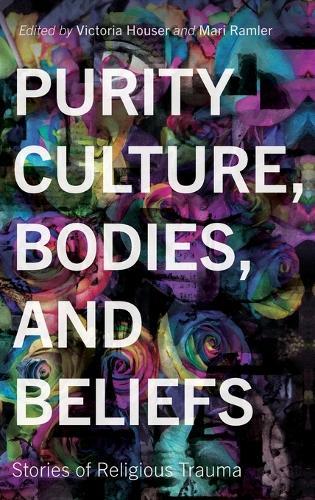
Purity Culture, Bodies, and Beliefs confronts the enduring effects of religious trauma by centering the body as both a site of harm and a source of healing. This collection offers a necessary space for truth telling, grief, and renewal. Bringing together critical autoethnographies and theoretical reflection, this volume examines how purity culture intersects with sexuality, gender, race, ability, class, neurodiversity, and spirituality. Contesting evangelicalism’s focus on bodily autonomy and sexual politics, contributors explore how embodied storytelling becomes a means of resistance and transformation. Addressing topics such as reproductive rights in fundamentalist contexts, eugenics-inspired rhetoric linking queerness and disability, and ritual practices like tattooing, each chapter testifies to the ways individuals remember, resist, and reclaim wholeness after harm. By foregrounding lived experience, the book shifts the study of religious rhetoric from theology and persuasion toward embodiment and trauma, illuminating not only what religious discourse does but what it costs. Scholars and students of religion, feminist and queer studies, and rhetoric—as well as activists engaged in justice and healing work—will find in this volume both critical insight and a call to action. In addition to the editors, the contributors to this volume include Hannah Benefiel, Mathew Boedy, Carrie Drake, Susan Garza, Amanda K. Gross, Ada Hubrig, Deborah Leiter, Camille Kaminski Lewis, Chaim McNamee, Haleh Mir Miri, Tessi Muskrat, Christopher Peace, Mary Pitts, Joseph Richards, Elaine Schnabel, Julie J. Sisler, and Kylie Sommer.
Full Product Details
Author: Victoria Houser ,
Mari Ramler
Publisher: Pennsylvania State University Press
Imprint: Pennsylvania State University Press
Dimensions:
Width: 15.20cm
, Height: 2.10cm
, Length: 22.90cm
Weight: 0.454kg
ISBN: 9780271101958
ISBN 10: 0271101954
Pages: 208
Publication Date: 12 May 2026
Audience:
Professional and scholarly
,
Professional & Vocational
Format: Hardback
Publisher's Status: Active
Availability: Manufactured on demand

We will order this item for you from a manufactured on demand supplier.
Reviews
“Purity Culture, Bodies, and Beliefs is a brave collection. I applaud this assembly of contributors who name traumas and explore ways they have pursued healing. The project is timely and its approach original. With the turn to critical auto ethnography, contributors mine and frame lived experience in order to confront trauma-inducing discourses within religious environments. This turn is a most compelling and welcome one.” —T J Geiger II, author of Faithful Deliberation Rhetorical Invention, Evangelicalism, and #MeToo Reckonings
Author Information
Victoria Houser is Assistant Teaching Professor in the Writing Program at the University of California, Santa Barbara. Mari Ramler is Associate Professor of English at Tennessee Technological University.