Overview
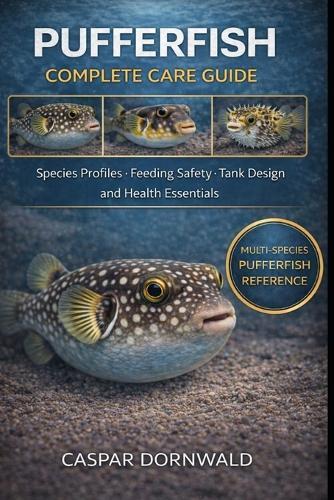
The internal anatomy of pufferfish differs significantly from that of most commonly kept aquarium fish, and these differences have direct implications for care. One of the most important distinctions is the absence of true scales. Instead, pufferfish skin is thick, leathery, and often covered with microscopic spines or rough textures. This skin offers protection but is highly sensitive to water quality and chemical exposure. Because they lack scales, pufferfish absorb substances from the water more readily. This makes them particularly vulnerable to poor water conditions, toxins, and inappropriate medications. Treatments that are tolerated by scaled fish can be lethal to pufferfish if dosed improperly. As a result, pristine water quality is not a preference but a biological necessity. Internally, pufferfish possess a reduced or absent swim bladder in some species, relying instead on body density and fin movement for buoyancy control. This anatomical trait means they are especially sensitive to changes in water density, salinity, and gas buildup in the digestive tract. Sudden dietary changes, constipation, or inappropriate foods can result in floating or sinking issues that are difficult to correct. The digestive system of a pufferfish is designed for protein-rich, hard-bodied prey. Their stomach and intestines process dense foods efficiently but are poorly suited to plant matter or soft, carbohydrate-heavy diets. Feeding inappropriate foods leads to intestinal blockages, nutrient deficiencies, and bacterial overgrowth. The relationship between diet and anatomy is direct and unforgiving. Their dental plates are fused structures rather than individual teeth. Because they grow continuously, wear through feeding is essential. In captivity, failure to provide abrasive foods leads to overgrowth that prevents feeding entirely. Unlike wild conditions, where natural wear is constant, captive systems require deliberate dietary planning to mimic this process. Pufferfish also possess relatively large brains compared to many other fish species. This neurological development supports problem-solving, spatial awareness, and memory. However, it also increases their sensitivity to environmental monotony and stress. A biologically complex brain placed in a barren environment deteriorates functionally, leading to abnormal behaviors and chronic stress.
Full Product Details
Author: Caspar Dornwald
Publisher: Independently Published
Imprint: Independently Published
Dimensions:
Width: 15.20cm
, Height: 0.70cm
, Length: 22.90cm
Weight: 0.186kg
ISBN: 9798246229057
Pages: 130
Publication Date: 30 January 2026
Audience:
General/trade
,
General
Format: Paperback
Publisher's Status: Active
Availability: Available To Order

We have confirmation that this item is in stock with the supplier. It will be ordered in for you and dispatched immediately.