|
|
|||
|
||||
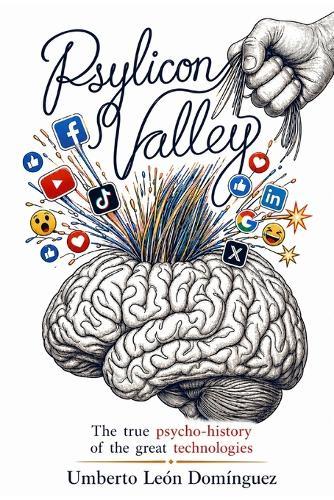
OverviewYou do not control your technology; it controls you. Behind every screen stands an empire built upon the most complex and ancient code of all: the human mind. Set aside what you think you know about success in Silicon Valley. Major technology firms do not dominate the world because they possess faster software or more aggressive business models, but because they have exploited our evolutionary biology. We have shifted toward homo technologicus, a new condition in which our most basic instincts-survival, belonging, and status-have been encoded and monetized. What psychological impulse did Netflix exploit to displace Blockbuster? Why did the survival of Meta depend so heavily on our tribal needs, leading it to imitate Snapchat? Which mental trigger makes Candy Crush as compelling as sugar? And how are OpenAI and DeepMind redefining what it means to be intelligent? Far from technical corporate manuals and paralyzing pessimism, this work offers a rigorous psycho-historical examination of the digital revolution. With a dynamic narrative pace, it integrates behavioral psychology with revealing and human accounts of the rise and decline of major technology firms. This is an essential and transformative reading. Each page provides a new framework to interpret one's own psyche, to identify where genuine innovation resides, and, above all, to acquire the means to regain control in an uncertain future that has already arrived. Full Product DetailsAuthor: Umberto León DomínguezPublisher: Independently Published Imprint: Independently Published Dimensions: Width: 15.20cm , Height: 1.30cm , Length: 22.90cm Weight: 0.322kg ISBN: 9798195161675Pages: 236 Publication Date: 03 May 2026 Audience: General/trade , General Format: Paperback Publisher's Status: Active Availability: Available To Order We have confirmation that this item is in stock with the supplier. It will be ordered in for you and dispatched immediately. Table of ContentsReviewsAuthor InformationTab Content 6Author Website:Countries AvailableAll regions |
||||