|
|
|||
|
||||
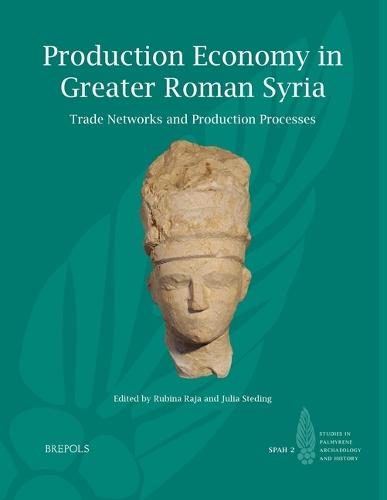
OverviewThe site of Palmyra, an oasis city in the Syrian desert located at a cultural and geographical crossroads, was a major trading centre in the first three centuries ad. This volume offers an in-depth exploration into one type of trade and its economy, namely that of stone, and the crucial role that this played within the settlement. The papers gathered here explore different aspects of stone, from its use in Palmyra's famous funerary portraiture, the production techniques that underlay these works, and their polychromy, through to where and how marble and limestone were provenanced, quarried, and transported, and what this implies for our understanding of the organization of the stone trade in both Syria and beyond. Chapters on Aphrodisian artists and the rock-cut chambers in Commagene and Cyrrhestice ensure the evidence from Palmyra is set in a wider context, enabling comparisons to be drawn with the work of sculptors elsewhere. Together, the papers within this volume offer a unique insight into a trade and economy of vital importance in an important urban centre of the Roman period. The work presented here is an outcome of the Palmyra Portrait Project, directed by Prof. Rubina Raja. Full Product DetailsAuthor: Rubina Raja , Julia StedingPublisher: Brepols N.V. Imprint: Brepols N.V. Volume: 2 Dimensions: Width: 21.60cm , Height: 1.50cm , Length: 27.90cm Weight: 0.916kg ISBN: 9782503591254ISBN 10: 2503591256 Pages: 232 Publication Date: 13 May 2021 Audience: General/trade , General Format: Paperback Publisher's Status: Active Availability: Available To Order We have confirmation that this item is in stock with the supplier. It will be ordered in for you and dispatched immediately. Table of ContentsReviewsAuthor InformationTab Content 6Author Website:Countries AvailableAll regions |
||||