Overview
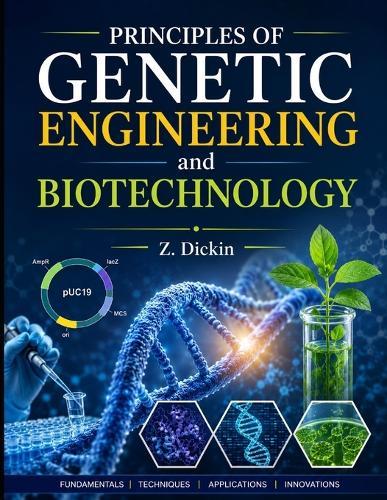
Book IntroductionPrinciples of Genetic Engineering and Biotechnology The rapid advancement of science and technology has transformed the way humans understand and interact with living systems. Among the most revolutionary fields in modern biology are Genetic Engineering and Biotechnology, which have opened new possibilities in medicine, agriculture, industry, and environmental conservation. These disciplines enable scientists to study, manipulate, and utilize the genetic material of organisms in ways that were unimaginable only a few decades ago. The book ""Principles of Genetic Engineering and Biotechnology"" aims to provide a comprehensive and accessible introduction to the fundamental concepts, techniques, and applications of these two interconnected scientific fields. It is designed for undergraduate and postgraduate students of life sciences, biotechnology, microbiology, botany, zoology, and related disciplines. The book may also serve as a useful reference for researchers, educators, and anyone interested in understanding how modern biological technologies are shaping the future. At the heart of genetic engineering lies the study and manipulation of DNA, the molecule that carries genetic information in all living organisms. By altering the sequence of DNA, scientists can introduce new traits, remove undesirable genes, or study gene function. Techniques such as recombinant DNA technology, gene cloning, polymerase chain reaction (PCR), and genome editing have become powerful tools for investigating the structure and function of genes. Biotechnology, on the other hand, focuses on the practical application of biological systems and organisms to produce useful products and services. It encompasses a wide range of technologies that utilize microorganisms, plants, and animals to develop pharmaceuticals, vaccines, biofuels, improved crops, and environmentally friendly industrial processes. The integration of genetic engineering with biotechnology has accelerated scientific discoveries and has contributed significantly to solving global challenges such as food security, disease control, and environmental sustainability. In recent decades, remarkable breakthroughs have been achieved in the field of genetic engineering. The discovery of genome-editing technologies such as CRISPR-Cas9 has revolutionized the way scientists modify genes. This technology allows precise, efficient, and cost-effective editing of genomes, offering enormous potential for treating genetic diseases, improving crop varieties, and understanding biological processes at the molecular level. The impact of biotechnology is evident in many aspects of modern life. In medicine, genetically engineered organisms are used to produce therapeutic proteins such as Insulin, vaccines, and monoclonal antibodies. In agriculture, genetically modified crops have been developed to increase yield, resist pests, and tolerate environmental stresses. Industrial biotechnology has enabled the production of enzymes, biofuels, and biodegradable materials, reducing reliance on non-renewable resources and minimizing environmental pollution. Despite these remarkable achievements, genetic engineering and biotechnology also raise important ethical, social, and regulatory questions. Concerns about genetically modified organisms (GMOs), biosafety, and the ethical implications of gene editing require careful consideration. Scientists, policymakers, and society must work together to ensure that these technologies are used responsibly and for the benefit of humanity. This book presents the principles and applications of genetic engineering and biotechnology in a systematic and student-friendly manner. It begins with the fundamental concepts of molecular biology, including the structure and function of nucleic acids, gene expression, and regulation.
Full Product Details
Author: Z Dickin
Publisher: Independently Published
Imprint: Independently Published
Dimensions:
Width: 21.60cm
, Height: 1.50cm
, Length: 27.90cm
Weight: 0.662kg
ISBN: 9798197567505
Pages: 284
Publication Date: 19 May 2026
Audience:
General/trade
,
General
Format: Paperback
Publisher's Status: Active
Availability: Available To Order

We have confirmation that this item is in stock with the supplier. It will be ordered in for you and dispatched immediately.