Overview
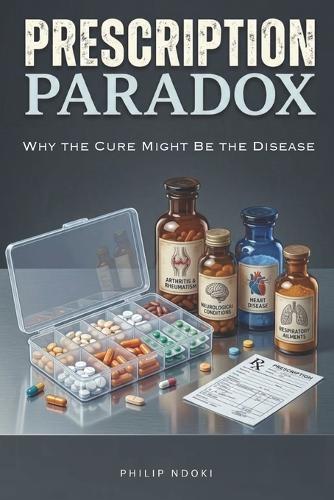
Modern medicine has fundamentally transformed global health, eradicated smallpox, and significantly reduced diseases like polio and measles, preventing millions of deaths annually. However, modern healthcare is profoundly reliant on petrochemical products, serving as one of its primary, yet often invisible, consumers. Approximately 99% of drug feedstocks and reagents are sourced from fossil fuels - primarily oil and natural gas. These synthetic compounds, often designed to override or suppress natural processes, rarely exhibit the elegance or precision of substances that have evolved in harmony with human physiology. Instead, they interfere with enzymatic pathways, hormonal signaling, and immune regulation in ways that can and do produce unintended, and sometimes catastrophic, effects. Synthetic petrochemical-based pharmaceuticals are too often the primary agents in creating and perpetuating diseases. Adverse drug reactions (ADRs) are consistently ranked among the top ten causes of death in developed nations, with some data suggesting they are the 4th to 6th most common cause globally. Estimates suggest 100,000 to 125,000 deaths occur in the US annually due to ADRs alone (excluding errors), with total ADE-related fatalities potentially reaching 250,000-300,000 yearly. ADRs are implicated in 2.5-18% of all in-hospital deaths. They cause 3% of all deaths in general population studies. The normalization of polypharmacy among vulnerable populations, particularly the elderly, is a recognized public health crisis, with studies showing an increase in prevalence from 8.2% to 17.1% between 1999 and 2018. About 44.1% of adults aged 65 and older, and over 60% of those with chronic conditions like heart disease or diabetes, take five or more prescription medications, often leading to a ""prescription cascade,"" where a drug's side effect is misinterpreted as a new condition and treated with another drug. This cycle increases the risks of adverse events, hospitalizations, and unnecessary medication burden. In clinical trials, drug combinations are rarely tested in concert, yet their cumulative biological burden on major organs such as the liver, kidneys, microbiome, and immune system is immense. The long-term outcomes of such sustained chemical assault are poorly understood, but rising rates of autoimmune diseases, metabolic disorders, and cognitive decline may offer grim clues. The burden is not just additive but often synergistic, where the combination creates new toxicities not seen in either drug alone. Prescription Paradox examines the complex dynamics of modern healthcare, challenges the reductionist biomedical model and reorients medicine toward systemic balance and harmony. This book envisions a healthcare paradigm centered on restoration and resilience, community engagement, ecological alignment, and individual empowerment.
Full Product Details
Author: Philip Ndoki
Publisher: Independently Published
Imprint: Independently Published
Dimensions:
Width: 15.20cm
, Height: 2.30cm
, Length: 22.90cm
Weight: 0.540kg
ISBN: 9798252151588
Pages: 406
Publication Date: 15 March 2026
Audience:
General/trade
,
General
Format: Paperback
Publisher's Status: Active
Availability: Available To Order

We have confirmation that this item is in stock with the supplier. It will be ordered in for you and dispatched immediately.