Overview
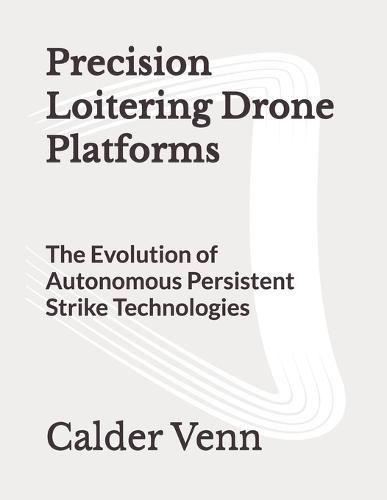
Comprehensive Design and Operations Reference for Persistent Loitering SystemsThis book offers a structured, engineering-focused examination of precision loitering drone platforms, with emphasis on how autonomous air systems are conceived, integrated, tested, and fielded for persistent strike missions. It brings together mission analysis, vehicle architecture, guidance and control, sensing, communications, safety, and verification into one coherent treatment. Readers will find a practical progression from requirements definition through system implementation, with attention to the tradeoffs that shape real-world platforms, including range, endurance, payload capacity, control authority, sensor performance, and mission resilience. The chapters also explore how autonomy is partitioned between onboard software and operator oversight, how target identification is supported by multi sensor data, and how mission connectivity is maintained under degraded link conditions. What the book covers Mission requirements for persistent strike concepts, operational limits, and system level interfaces. Platform architecture, including airframes, propulsion, power management, payload integration, and command systems. Guidance, navigation, and control methods for loitering, waypoint holding, and precision terminal approach. Sensor suites and analytics for detection, calibration, confirmation, and target recognition. Autonomy software for mission planning, behavior management, human approval points, and post mission evidence handling. Communications and resilience strategies for telemetry prioritization, link budgeting, and loss of link behavior. Safety critical design topics, including interlocks, fault detection, arming logic, and safe state procedures. Testing and verification across simulation, ground test, flight test, metrics reporting, and acceptance criteria. Manufacturing and configuration control for repeatability, calibration, traceability, and maintenance readiness. Operational employment and training guidance for crews, checklists, troubleshooting, and post mission workflows. In addition to core system engineering content, the final chapters present case studies that show how program decisions reshape performance, reliability, and operator workload over time. These examples make the book especially useful for engineers, program managers, test teams, and technical readers who need a grounded view of how persistent loitering systems evolve from concept to operational capability. Ideal for readers seeking a detailed, system level guide to the design and execution of autonomous precision platforms.
Full Product Details
Author: Calder Venn
Publisher: Independently Published
Imprint: Independently Published
Dimensions:
Width: 21.60cm
, Height: 1.40cm
, Length: 27.90cm
Weight: 0.599kg
ISBN: 9798195803414
Pages: 256
Publication Date: 06 May 2026
Audience:
General/trade
,
General
Format: Paperback
Publisher's Status: Active
Availability: Available To Order

We have confirmation that this item is in stock with the supplier. It will be ordered in for you and dispatched immediately.