Overview
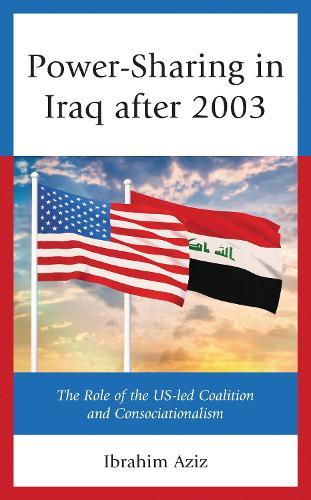
After the collapse of Saddam’s regime in 2003, the most important issue in Iraq was the power-sharing arrangements among communities. At this point, the Iraqi people were presented with the chance to look for another political system which would retain all communities’ participation: consociational democracy, an ideal theme in that kind of system everybody has a voice and contributes to the political process. Therefore, the US-led coalition forces were invested in working to form political order according to power-sharing arrangements and recognized that they needed to do this by gathering Iraqi’s politicians to reach an agreement about power-sharing arrangements.This book concentrates on connections or divergences between formal or informal examples of consociationalism, and the actual practice of these between 2003 and 2014 in Iraq. The author argues that consociational elements are partially reflected in the permanent constitution, and partially implemented throughout the period under investigation, bearing in mind the positive role of the US-led coalition.
Full Product Details
Author: Ibrahim Muhammad Aziz
Publisher: Bloomsbury Publishing Plc
Imprint: Lexington Books
Dimensions:
Width: 16.10cm
, Height: 2.00cm
, Length: 22.90cm
Weight: 0.454kg
ISBN: 9781793616258
ISBN 10: 1793616256
Pages: 188
Publication Date: 15 February 2021
Audience:
Professional and scholarly
,
Professional & Vocational
Format: Hardback
Publisher's Status: Active
Availability: Manufactured on demand

We will order this item for you from a manufactured on demand supplier.
Reviews
This book offers a systematic and compelling assessment of institutional design and development in Iraq during a crucial period of its history. Based on extensive original research, it shows how new institutional models were only partially implemented in practice, and thus helps account for the continued political instability and conflict in Iraq. -- Oisin Tansey, King's College London This book makes an important contribution to understand the design, dynamics, and impacts of power sharing in Iraq following the 2003 U.S.-led invasion. Drawing on interviews with many of the protagonists, it offers a nuanced and rich account of the politics of power sharing in Iraq that will be a valuable resource for anyone interested in power sharing as a tool of conflict management, and in the role of external actors in facilitating and implementing such arrangements. -- Dominik Zaum, University of Reading
This book makes an important contribution to understand the design, dynamics, and impacts of power sharing in Iraq following the 2003 U.S.-led invasion. Drawing on interviews with many of the protagonists, it offers a nuanced and rich account of the politics of power sharing in Iraq that will be a valuable resource for anyone interested in power sharing as a tool of conflict management, and in the role of external actors in facilitating and implementing such arrangements. -- Dominik Zaum, University of Reading This book offers a systematic and compelling assessment of institutional design and development in Iraq during a crucial period of its history. Based on extensive original research, it shows how new institutional models were only partially implemented in practice, and thus helps account for the continued political instability and conflict in Iraq. -- Oisin Tansey, King's College London
Author Information
Ibrahim Aziz is lecturer in international relations department at Salahaddin University-Erbil