|
|
|||
|
||||
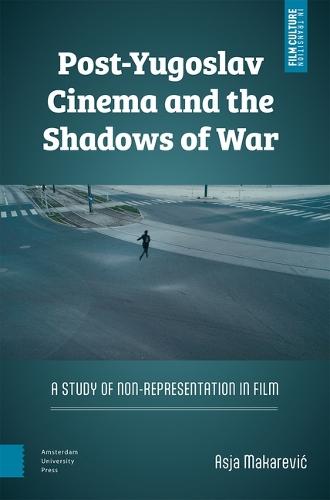
OverviewBosnia-Herzegovina is still considered a post-war country. The concept of post-war implies that the country and its people are tied more strongly to the past than they are oriented towards the future. Paradoxically, as long as the future is kept at bay and the post-war condition kept alive, Bosnia maintains a certain significance on the global scene. However, living in the temporal vacuum of the post-war condition cannot be a long-term perspective. A range of post-Yugoslav films provides spectators with images that offer innovative approaches to the collective past, while simultaneously reframing contemporary experience. This study proposes to call non-representational images appears to offer a more dynamic relationship to the past and the present, while reflecting complex processes of the formation of identity, memory, guilt, and responsibility. But if these dynamics are inherent in non-representational images, is there a way in which they can contribute to overcoming the post-war condition? Full Product DetailsAuthor: Asja MakarevicPublisher: Pallas Publications Imprint: Pallas Publications ISBN: 9789048559572ISBN 10: 904855957 Pages: 240 Publication Date: 03 September 2025 Audience: Professional and scholarly , Professional & Vocational Format: Hardback Publisher's Status: Active Availability: Manufactured on demand We will order this item for you from a manufactured on demand supplier. Table of ContentsReviewsAuthor InformationAsja Makarevi. is a post-doctoral fellow in the research programme “AGE-C Ageing and Gender in European Cinema” at Goethe University, Frankfurt, where she obtained her PhD degree. She serves as a member of the Berlinale Forum selection committee. Tab Content 6Author Website:Countries AvailableAll regions |
||||