|
|
|||
|
||||
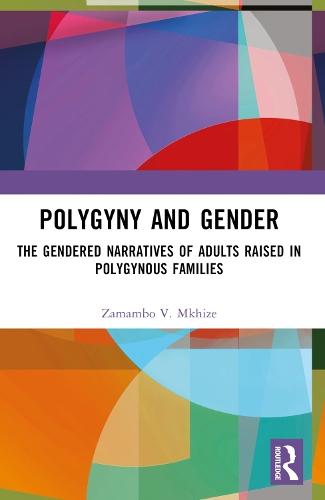
OverviewThe people of Africa have contrasting perspectives on gender, feminism, and the family from their Western counterparts. Similarly, social structures like, religion, capitalism and the law require a context-specific application to polygyny. This book examines the construction of gender identity in adults raised in Zulu polygynous families in the Hammarsdale area in KwaZulu-Natal, South Africa. It highlights the complexities of gender identities as participants negotiate between modern, constitutional, and individual freedoms and patriarchal, cultural, and communal customs and traditions. The themes also point towards the argument between individuality and collectivism in the creation of gender identity within polygynous families in Zulu culture. The South African Constitution guarantees gender equality and individual rights and freedoms for its citizens, yet customary law practices, like polygyny, appear to contravene these principles. The participants reveal that although women and men experience different consequences, they cite similar prevalent factors like gender role socialisation, naming practices and the doctrine of seniority, influencing their gender identity construction. Print edition not for sale in Sub Saharan Africa. Full Product DetailsAuthor: Zamambo V. MkhizePublisher: Taylor & Francis Ltd Imprint: Routledge Weight: 0.340kg ISBN: 9781032633947ISBN 10: 1032633948 Pages: 218 Publication Date: 06 May 2025 Audience: General/trade , College/higher education , General , Tertiary & Higher Education Format: Paperback Publisher's Status: Active Availability: In Print This item will be ordered in for you from one of our suppliers. Upon receipt, we will promptly dispatch it out to you. For in store availability, please contact us. Table of ContentsAcknowledgements Introduction 1 Theoretical Perspectives on Polygyny and Gender 2 Gender Role Socialisation and Gender Identity 3 Naming and the Construction of Gender Identity 4 Family Relations and Their Impact on Gender Identity 5 Negotiating Customary Law and Constitutional Rights 6 Economic Resources and Power Relations within the Family 7 The Impact of Religion on the Polygynous Family and Identity Formation 8 Emotional Relations and the Construction of Gendered Identity Conclusion Select Bibliography IndexReviews‘With great skill, Zamambo Mkhize takes the reader through the intricate process of brokering individual autonomy and cultural expectations and demonstrates how this culminates in hybridised gender identities. The book’s uniqueness lies in underscoring how socially organising principles, such as seniority, naming and co-mothering, contribute to gender identity construction in polygynous families. The critical insights generated in this book will increase our understanding of gender dynamics in an African context.’ — Janet Muthuki, Senior Lecturer, Gender Studies Programme, University of KwaZulu-Natal Author InformationZamambo Mkhize is lecturer in Gender Studies at the African Gender Institute at the University of Cape Town. Her research focus includes modern polygyny, law, family, Zulu culture and African feminism. Tab Content 6Author Website:Countries AvailableAll regions |
||||