Overview
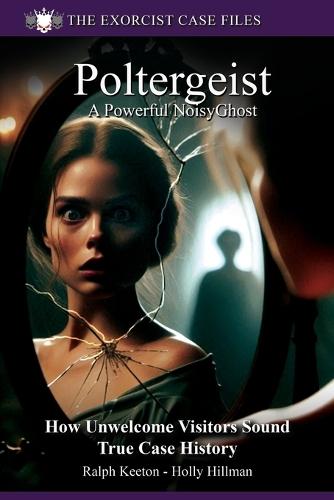
Poltergeists are rarely seen. They are heard. They announce themselves through vibration, or through walls that shudder without cause, floors that hum beneath unmoving feet, and sounds that do not behave as sound should. Knocks that answer questions. Footsteps that pace with intention. Screams that have no mouth to leave. This book is an account of real disturbances, where sound becomes a weapon, vibration becomes a presence, and ordinary homes turn hostile. These events did not unfold in abandoned ruins or places steeped in legend, but in living rooms, bedrooms, corridors, spaces meant for safety. Poltergeist cases share a common language: escalation. It begins quietly. A creak. A thud. A pressure in the air. Then the noise grows bolder, more personal, until it presses against the body itself. Ears ring. Chests tighten. Sleep fractures. Silence becomes suspicious. What makes these events terrifying is not what they suggest, but how they behave. Sound moves with intent. Vibrations respond. The house listens. Encounters where witnesses were overwhelmed not by apparitions, but by relentless auditory assault, such as children screaming where none were present, animals wailing from empty rooms, voices that mocked, commanded, and invaded the mind. These are not stories meant to entertain they are real. They are records of endurance. Step into resonance with something unresolved, and once sound has found you, it does not always stop when the room falls quiet. Poltergeists are rarely seen. They are heard. They announce themselves through vibration, or through walls that shudder without cause, floors that hum beneath unmoving feet, and sounds that do not behave as sound should. Knocks that answer questions. Footsteps that pace with intention. Screams that have no mouth to leave. This book is an account of real disturbances, where sound becomes a weapon, vibration becomes a presence, and ordinary homes turn hostile. These events did not unfold in abandoned ruins or places steeped in legend, but in living rooms, bedrooms, corridors, spaces meant for safety. Poltergeist cases share a common language: escalation. It begins quietly. A creak. A thud. A pressure in the air. Then the noise grows bolder, more personal, until it presses against the body itself. Ears ring. Chests tighten. Sleep fractures. Silence becomes suspicious. What makes these events terrifying is not what they suggest, but how they behave. Sound moves with intent. Vibrations respond. The house listens. Encounters where witnesses were overwhelmed not by apparitions, but by relentless auditory assault, such as children screaming where none were present, animals wailing from empty rooms, voices that mocked, commanded, and invaded the mind. These are not stories meant to entertain they are real. They are records of endurance. Step into resonance with something unresolved, and once sound has found you, it does not always stop when the room falls quiet.
Full Product Details
Author: Holly Hilman ,
Ralph Keeton
Publisher: Independently Published
Imprint: Independently Published
Dimensions:
Width: 15.20cm
, Height: 0.60cm
, Length: 22.90cm
Weight: 0.163kg
ISBN: 9798244051391
Pages: 114
Publication Date: 15 January 2026
Audience:
General/trade
,
General
Format: Paperback
Publisher's Status: Active
Availability: Available To Order

We have confirmation that this item is in stock with the supplier. It will be ordered in for you and dispatched immediately.