|
|
|||
|
||||
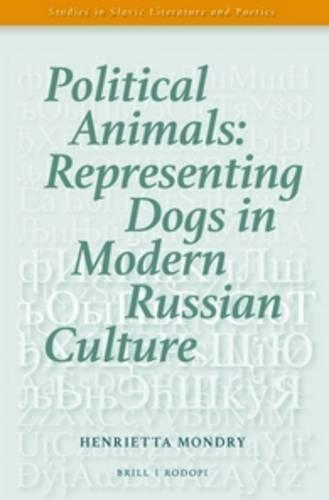
OverviewThis book is the first interdisciplinary study of the representation of dogs in Russian discourse since the nineteenth century. Focusing on the correlation between humans and dogs in traditional belief systems, in literature, film and other cultural productions, it shows that the dog as a political construct incorporates various contradictions, with different representations investing the dog with multiple, often-paradoxical meanings – moral, social and philosophical. From the peasantry’s dislike of the gentry’s hunting dogs and children’s cruelty to dogs in Pushkin and Dostoevsky to the establishment of the Soviet dynasties of border guard and police dogs, from Pavlov’s laboratory dogs to the monuments to the cosmic dog Laika and the subversive dog impersonations by the contemporary performance artist Oleg Kulik, the book explores the intersections of species-class-gender-sexuality-race-disability and, paradoxically, of Arcadian and Utopian dreams and scientific deeds. This study contributes to the unfolding cultural history of human-animal relations across cultures. Full Product DetailsAuthor: Henrietta MondryPublisher: Brill Imprint: Editions Rodopi B.V. Volume: 59 Dimensions: Width: 15.50cm , Height: 2.40cm , Length: 23.50cm Weight: 0.679kg ISBN: 9789042039025ISBN 10: 9042039027 Pages: 452 Publication Date: 05 February 2015 Audience: Professional and scholarly , Professional & Vocational Format: Paperback Publisher's Status: Active Availability: Manufactured on demand We will order this item for you from a manufactured on demand supplier. Table of ContentsReviewsThis study is provocative, as it should be given the transgressive nature of animal studies and the range of material addressed. It will especially reward readers who are interested in cultural studies, Russian literature and history, and animal studies. - Ian Helfant, Colgate University, USA, in Slavic Review 75.1 2016 [...] this book is an illuminating investigation of an important aspect of Russian culture, providing thought-provoking hermeneutic studies and showing up striking continuities. - Kevin Windle, Australian National University, in The Russian Review Spring 2016, pp.150-151 Author InformationTab Content 6Author Website:Countries AvailableAll regions |
||||