|
|
|||
|
||||
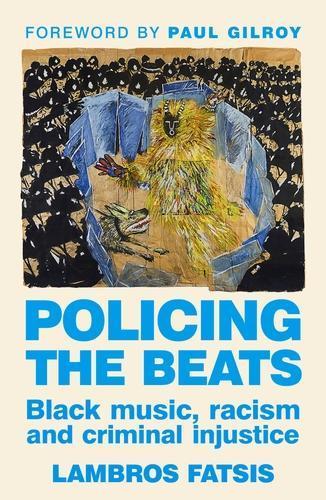
OverviewA bold analysis that exposes the racist policing of Black music. The emergence of UK drill music made headline news, portraying it as a criminal enterprise instead of recognising it as an art form. This new rap subgenre, however, is neither the first nor the only Black music to be targeted this way. Policing the beats rewinds the tape to demonstrate how music has been used as an instrument for policing Black people, from the era of colonial slavery to the present day, revealing the racist legal processes that make crimes out of rhymes. This original and readable book offers the first in-depth account of the policing of Black music in Britain, highlighting the relationship between politics, culture and criminal (in)justice and inviting music lovers, scholars and activists to tune in. Full Product DetailsAuthor: Lambros FatsisPublisher: Manchester University Press Imprint: Manchester University Press ISBN: 9781526171412ISBN 10: 1526171414 Pages: 328 Publication Date: 03 March 2026 Audience: College/higher education , Professional and scholarly , General/trade , Tertiary & Higher Education , Professional & Vocational Format: Paperback Publisher's Status: Forthcoming Availability: Not yet available, will be POD This item is yet to be released. You can pre-order this item and we will dispatch it to you upon it's release. This is a print on demand item which is still yet to be released. Table of ContentsIntroduction Part I: Is it even music? Policing Black music as ‘out of tune’ under British colonial rule 1 Cop-italism and slavery: excavating the colonial origins of British policing 2 Crude noise of a ‘vile race’: the danger of Black music(s) 3 Policing ‘dangerous noise’ one beat at a time 4 ‘Salvation ’tis a joyful sound’: a concluding coda Part II: Does it belong here? Policing Black music as ‘out of place’ in postwar Britain 5 ‘If you brown, they say you can’t stick around’: policing and cr-immigration in post-war Britain 6 (Don’t) welcome to Britain 7 Racism runs riot 8 ‘It gets me ’fraid when Babylon raid”’ Part III: Isn’t it criminal? Black Music as ‘out of order’ in contemporary Britain 9 To Be Black is a crime 10 Looking for ‘crime’ in grime 11 Blaming drill for making people kill 12 But isn’t rap violent and misogynistic? Part IV: Sounds radical: Black critique(s) of white reason 13 Who feels it, knows it: Black radical thought in sound 14 Who knows it, feels it: learning about criminal injustice from the policing of Black music(s) 15 Listen to this book: an annotated playlist Postscript: of skinfolk and kinfolk: a rap on ‘whiteness’ Index -- .Reviews'What a journey this is! This book has empowered me by informing me about an important history that I'm connected to, from my experience of having my lyrics used against me to the work that I do with young people.' Roachee, Roll Deep ‘Placing sounds, songs and beats in the midst of the structures of empire, Lambros Fatsis reads Black music and music-making as radical resources – modes of learning and knowing that hold in them rhythmic, sonic and rumbling resistance practices. Policing the beats is an essential text for music lovers and music makers.’ Katherine McKittrick, author of Dear Science and Other Stories -- . Author InformationLambros Fatsis (aka Boulevard Soundsystem) is a lover of Black music(s) who lectures on the history of police racism and the criminalisation of Afro-diasporic music culture at City St. George's University of London. Tab Content 6Author Website:Countries AvailableAll regions |
||||