Overview
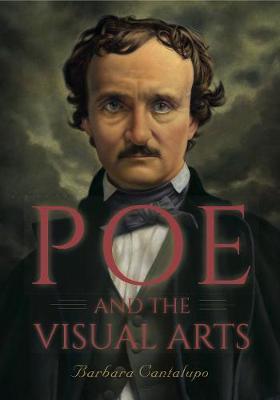
Although Edgar Allan Poe is most often identified with stories of horror and fear, there is an unrecognized and even forgotten side to the writer. He was a self-declared lover of beauty who “from childhood’s hour . . . [had] not seen / As others saw.” Poe and the Visual Arts is the first comprehensive study of how Poe’s work relates to the visual culture of his time. It reveals his “deep worship of all beauty,” which resounded in his earliest writing and never entirely faded, despite the demands of his commercial writing career. Barbara Cantalupo examines the ways in which Poe integrated visual art into sketches, tales, and literary criticism, paying close attention to the sculptures and paintings he saw in books, magazines, and museums while living in Philadelphia and New York from 1838 until his death in 1849. She argues that Poe’s sensitivity to visual media gave his writing a distinctive “graphicality” and shows how, despite his association with the macabre, his enduring love of beauty and knowledge of the visual arts richly informed his corpus.
Full Product Details
Author: Barbara Cantalupo (Associate Professor of English, Penn State University)
Publisher: Pennsylvania State University Press
Imprint: Pennsylvania State University Press
Dimensions:
Width: 17.80cm
, Height: 1.50cm
, Length: 25.40cm
Weight: 0.599kg
ISBN: 9780271063102
ISBN 10: 0271063106
Pages: 216
Publication Date: 15 November 2014
Audience:
Professional and scholarly
,
Professional & Vocational
Format: Paperback
Publisher's Status: Active
Availability: Out of stock

The supplier is temporarily out of stock of this item. It will be ordered for you on backorder and shipped when it becomes available.
Reviews
Paints a very detailed picture of the art-world in Poe's time, providing the reader with a rich background against which many of the tales are revisited. --Francie Crebs, Transatlantica: Revue d' tudes am ricaines Poe and the Visual Arts is an essential addition to the scholarly understanding of Poe's visual acuity, both in his references to art that enhance the meaning of his stories and in his use of the act of seeing as a component of plot. --Amy Golahny, Poe Studies This study intelligently and comprehensively examines Poe's unique position in the artistic coteries of Philadelphia and Manhattan, where he worked as an editor. Barbara Cantalupo offers a fascinating overview of the paintings and other artworks shown in galleries and art institutions in those cities--works Poe likely viewed and studied. Cantalupo persuasively demonstrates that Poe was an informed and articulate proponent of beauty in its manifold forms, including the beauty embodied in painting. He was, in short, a perceptive and subtle analyst of the visual culture of his time. --Kent Ljungquist, Worcester Polytechnic Institute Barbara Cantalupo's admirable study enlarges our sense of Poe, reminding us that the creator of the dreadful House of Usher was also an appreciative critic of painting, and even of gardens and domestic decor. We are led to see Poe as a discriminating lover of beauty in general, and we discover both a greater balance and a richer variety in his literary enterprise. --Richard Wilbur Although Poe's aesthetics and interest in art have long drawn scholarly attention, Barbara Cantalupo's Poe and the Visual Arts is the first study to approach the subject comprehensively. She convincingly re-creates the art world in which Poe moved in the 1830s and 1840s, and her deep research reveals Poe's exposure to and knowledge of a wide gallery of artists and paintings; more important, she illuminates how this engagement affected his own art criticism and his use of art in stories such as 'Ligeia, ' 'The Fall of the House of Usher, ' 'Landor's Cottage, ' and many others. Poe and the Visual Arts tackles an exciting topic, and Cantalupo's firm grasp of it results in a notable contribution to the study of Poe and nineteenth-century American culture. --Matthew C. Brennan, Indiana State University A superior contribution to Poe scholarship and one of this year's best books in American literature. . . . Poe and the Visual Arts, impressive in both argument and appearance, belongs on the shelf of every Poe scholar. --Michael L. Burduck, American Literary Scholarship
Although Poe's aesthetics and interest in art have long drawn scholarly attention, Barbara Cantalupo's Poe and the Visual Arts is the first study to approach the subject comprehensively. She convincingly re-creates the art world in which Poe moved in the 1830s and 1840s, and her deep research reveals Poe's exposure to and knowledge of a wide gallery of artists and paintings; more important, she illuminates how this engagement affected his own art criticism and his use of art in stories such as 'Ligeia, ' 'The Fall of the House of Usher, ' 'Landor's Cottage, ' and many others. Poe and the Visual Arts tackles an exciting topic, and Cantalupo's firm grasp of it results in a notable contribution to the study of Poe and nineteenth-century American culture. --Matthew C. Brennan, Indiana State University
Although Poe s aesthetics and interest in art have long drawn scholarly attention, Barbara Cantalupo s Poe and the Visual Arts is the first study to approach the subject comprehensively. She convincingly re-creates the art world in which Poe moved in the 1830s and 1840s, and her deep research reveals Poe s exposure to and knowledge of a wide gallery of artists and paintings; more important, she illuminates how this engagement affected his own art criticism and his use of art in stories such as Ligeia, The Fall of the House of Usher, Landor s Cottage, and many others. Poe and the Visual Arts tackles an exciting topic, and Cantalupo s firm grasp of it results in a notable contribution to the study of Poe and nineteenth-century American culture. Matthew C. Brennan, Indiana State University This study intelligently and comprehensively examines Poe's unique position in the artistic coteries of Philadelphia and Manhattan, where he worked as an editor. Barbara Cantalupo offers a fascinating overview of the paintings and other artworks shown in galleries and art institutions in those cities works Poe likely viewed and studied. Cantalupo persuasively demonstrates that Poe was an informed and articulate proponent of beauty in its manifold forms, including the beauty embodied in painting. He was, in short, a perceptive and subtle analyst of the visual culture of his time. Kent Ljungquist, Worcester Polytechnic Institute Barbara Cantalupo s admirable study enlarges our sense of Poe, reminding us that the creator of the dreadful House of Usher was also an appreciative critic of painting, and even of gardens and domestic decor. We are led to see Poe as a discriminating lover of beauty in general, and we discover both a greater balance and a richer variety in his literary enterprise. Richard Wilbur Paints a very detailed picture of the art-world in Poe's time, providing the reader with a rich background against which many of the tales are revisited. --Francie Crebs, Transatlantica: Revue d'�tudes am�ricaines A superior contribution to Poe scholarship and one of this year's best books in American literature. . . . Poe and the Visual Arts, impressive in both argument and appearance, belongs on the shelf of every Poe scholar. --Michael L. Burduck, American Literary Scholarship Poe and the Visual Arts is an essential addition to the scholarly understanding of Poe's visual acuity, both in his references to art that enhance the meaning of his stories and in his use of the act of seeing as a component of plot. --Amy Golahny, Poe Studies This study intelligently and comprehensively examines Poe's unique position in the artistic coteries of Philadelphia and Manhattan, where he worked as an editor. Barbara Cantalupo offers a fascinating overview of the paintings and other artworks shown in galleries and art institutions in those cities--works Poe likely viewed and studied. Cantalupo persuasively demonstrates that Poe was an informed and articulate proponent of beauty in its manifold forms, including the beauty embodied in painting. He was, in short, a perceptive and subtle analyst of the visual culture of his time. --Kent Ljungquist, Worcester Polytechnic Institute Barbara Cantalupo's admirable study enlarges our sense of Poe, reminding us that the creator of the dreadful House of Usher was also an appreciative critic of painting, and even of gardens and domestic decor. We are led to see Poe as a discriminating lover of beauty in general, and we discover both a greater balance and a richer variety in his literary enterprise. --Richard Wilbur Although Poe's aesthetics and interest in art have long drawn scholarly attention, Barbara Cantalupo's Poe and the Visual Arts is the first study to approach the subject comprehensively. She convincingly re-creates the art world in which Poe moved in the 1830s and 1840s, and her deep research reveals Poe's exposure to and knowledge of a wide gallery of artists and paintings; more important, she illuminates how this engagement affected his own art criticism and his use of art in stories such as 'Ligeia, ' 'The Fall of the House of Usher, ' 'Landor's Cottage, ' and many others. Poe and the Visual Arts tackles an exciting topic, and Cantalupo's firm grasp of it results in a notable contribution to the study of Poe and nineteenth-century American culture. --Matthew C. Brennan, Indiana State University A superior contribution to Poe scholarship and one of this year s best books in American literature. . . . Poe and the Visual Arts, impressive in both argument and appearance, belongs on the shelf of every Poe scholar. Michael L. Burduck, American Literary Scholarship Poe and the Visual Arts is an essential addition to the scholarly understanding of Poe s visual acuity, both in his references to art that enhance the meaning of his stories and in his use of the act of seeing as a component of plot. Amy Golahny, Poe Studies This study intelligently and comprehensively examines Poe's unique position in the artistic coteries of Philadelphia and Manhattan, where he worked as an editor. Barbara Cantalupo offers a fascinating overview of the paintings and other artworks shown in galleries and art institutions in those cities works Poe likely viewed and studied. Cantalupo persuasively demonstrates that Poe was an informed and articulate proponent of beauty in its manifold forms, including the beauty embodied in painting. He was, in short, a perceptive and subtle analyst of the visual culture of his time. Kent Ljungquist, Worcester Polytechnic Institute Barbara Cantalupo s admirable study enlarges our sense of Poe, reminding us that the creator of the dreadful House of Usher was also an appreciative critic of painting, and even of gardens and domestic decor. We are led to see Poe as a discriminating lover of beauty in general, and we discover both a greater balance and a richer variety in his literary enterprise. Richard Wilbur Although Poe s aesthetics and interest in art have long drawn scholarly attention, Barbara Cantalupo s Poe and the Visual Arts is the first study to approach the subject comprehensively. She convincingly re-creates the art world in which Poe moved in the 1830s and 1840s, and her deep research reveals Poe s exposure to and knowledge of a wide gallery of artists and paintings; more important, she illuminates how this engagement affected his own art criticism and his use of art in stories such as Ligeia, The Fall of the House of Usher, Landor s Cottage, and many others. Poe and the Visual Arts tackles an exciting topic, and Cantalupo s firm grasp of it results in a notable contribution to the study of Poe and nineteenth-century American culture. Matthew C. Brennan, Indiana State University Poe and the Visual Arts is an essential addition to the scholarly understanding of Poe s visual acuity, both in his references to art that enhance the meaning of his stories and in his use of the act of seeing as a component of plot. Amy Golahny, Poe Studies This study intelligently and comprehensively examines Poe's unique position in the artistic coteries of Philadelphia and Manhattan, where he worked as an editor. Barbara Cantalupo offers a fascinating overview of the paintings and other artworks shown in galleries and art institutions in those cities works Poe likely viewed and studied. Cantalupo persuasively demonstrates that Poe was an informed and articulate proponent of beauty in its manifold forms, including the beauty embodied in painting. He was, in short, a perceptive and subtle analyst of the visual culture of his time. Kent Ljungquist, Worcester Polytechnic Institute Barbara Cantalupo s admirable study enlarges our sense of Poe, reminding us that the creator of the dreadful House of Usher was also an appreciative critic of painting, and even of gardens and domestic decor. We are led to see Poe as a discriminating lover of beauty in general, and we discover both a greater balance and a richer variety in his literary enterprise. Richard Wilbur Although Poe s aesthetics and interest in art have long drawn scholarly attention, Barbara Cantalupo s Poe and the Visual Arts is the first study to approach the subject comprehensively. She convincingly re-creates the art world in which Poe moved in the 1830s and 1840s, and her deep research reveals Poe s exposure to and knowledge of a wide gallery of artists and paintings; more important, she illuminates how this engagement affected his own art criticism and his use of art in stories such as Ligeia, The Fall of the House of Usher, Landor s Cottage, and many others. Poe and the Visual Arts tackles an exciting topic, and Cantalupo s firm grasp of it results in a notable contribution to the study of Poe and nineteenth-century American culture. Matthew C. Brennan, Indiana State University This study intelligently and comprehensively examines Poe's unique position in the artistic coteries of Philadelphia and Manhattan, where he worked as an editor. Barbara Cantalupo offers a fascinating overview of the paintings and other artworks shown in galleries and art institutions in those cities--works Poe likely viewed and studied. Cantalupo persuasively demonstrates that Poe was an informed and articulate proponent of beauty in its manifold forms, including the beauty embodied in painting. He was, in short, a perceptive and subtle analyst of the visual culture of his time. --Kent Ljungquist, Worcester Polytechnic Institute Barbara Cantalupo's admirable study enlarges our sense of Poe, reminding us that the creator of the dreadful House of Usher was also an appreciative critic of painting, and even of gardens and domestic decor. We are led to see Poe as a discriminating lover of beauty in general, and we discover both a greater balance and a richer variety in his literary enterprise. --Richard Wilbur Although Poe's aesthetics and interest in art have long drawn scholarly attention, Barbara Cantalupo's Poe and the Visual Arts is the first study to approach the subject comprehensively. She convincingly re-creates the art world in which Poe moved in the 1830s and 1840s, and her deep research reveals Poe's exposure to and knowledge of a wide gallery of artists and paintings; more important, she illuminates how this engagement affected his own art criticism and his use of art in stories such as 'Ligeia, ' 'The Fall of the House of Usher, ' 'Landor's Cottage, ' and many others. Poe and the Visual Arts tackles an exciting topic, and Cantalupo's firm grasp of it results in a notable contribution to the study of Poe and nineteenth-century American culture. --Matthew C. Brennan, Indiana State University Although Poe's aesthetics and interest in art have long drawn scholarly attention, Barbara Cantalupo's Poe and the Visual Arts is the first study to approach the subject comprehensively. She convincingly re-creates the art world in which Poe moved in the 1830s and 1840s, and her deep research reveals Poe's exposure to and knowledge of a wide gallery of artists and paintings; more important, she illuminates how this engagement affected his own art criticism and his use of art in stories such as 'Ligeia, ' 'The Fall of the House of Usher, ' 'Landor's Cottage, ' and many others. Poe and the Visual Arts tackles an exciting topic, and Cantalupo's firm grasp of it results in a notable contribution to the study of Poe and nineteenth-century American culture. --Matthew C. Brennan, Indiana State University This study intelligently and comprehensively examines Poe's unique position in the artistic coteries of Philadelphia and Manhattan, where he worked as an editor. Barbara Cantalupo offers a fascinating overview of the paintings and other artworks shown in galleries and art institutions in those cities--works Poe likely viewed and studied. Cantalupo persuasively demonstrates that Poe was an informed and articulate proponent of beauty in its manifold forms, including the beauty embodied in painting. He was, in short, a perceptive and subtle analyst of the visual culture of his time. --Kent Ljungquist, Worcester Polytechnic Institute Barbara Cantalupo's admirable study enlarges our sense of Poe, reminding us that the creator of the dreadful House of Usher was also an appreciative critic of painting, and even of gardens and domestic decor. We are led to see Poe as a discriminating lover of beauty in general, and we discover both a greater balance and a richer variety in his literary enterprise. --Richard Wilbur
Author Information
Barbara Cantalupo is Associate Professor of English at Penn State Lehigh Valley and editor of The Edgar Allan Poe Review.