Overview
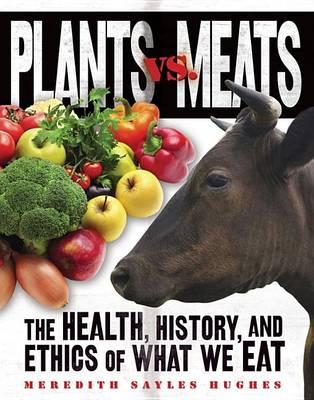
No one can live without food, but what you eat is a personal decision. Today many people are examining nutritional advice and choosing to eat more vegetables and fruits and less meat. But is all meat bad for you? What does the science say? People also make food choices for ethical and religious reasons. Some vegetarians and vegans avoid meat because they believe killing animals is wrong. Other people shun meat from factory farms. Recently, more people are seeking out foods grown locally and organically. What do you choose to eat and why? This book will help you make decisions to support your values.
Full Product Details
Author: Meredith Sayles Hughes
Publisher: Lerner Publishing Group
Imprint: Lerner Publishing Group
Dimensions:
Width: 18.00cm
, Height: 1.00cm
, Length: 23.10cm
Weight: 0.431kg
ISBN: 9781467780117
ISBN 10: 1467780111
Pages: 96
Publication Date: 01 January 2016
Recommended Age: From 13 to 14 years
Audience:
Young adult
,
Primary & secondary/elementary & high school
,
Teenage / Young adult
,
Educational: Primary & Secondary
Format: Hardback
Publisher's Status: Active
Availability: Available To Order

We have confirmation that this item is in stock with the supplier. It will be ordered in for you and dispatched immediately.
Reviews
The moral, healthful, and historical reasons we eat what we eat. Former vegetarian and food historian Hughes begins her expos by defining some '-isms, ' detailing what people who call themselves vegan or vegetarian or pescatarian (among others) eat. She touches on the historical factors that influence what we all eat and then examines some religious and philosophical restrictions on what some of us consume. A discussion of fad diets and the ingredients their proponents feel are harmful (gluten, fat, etc.) is followed by a look at the sources of food and the way this affects food availability and the environment. Finally she explores the future of food: insect protein, 3-D printing of food, and hydroponics, among others. Hughes is careful not to paint black-and-white pictures of any stance on food or make strident arguments for eating one type of food over another (though she does promote healthful food over junk food), though some of the people she quotes obviously have strong opinions. She instead urges readers to make informed decisions based on their personal ethics and healthful food information. To further help with this, she provides source notes for the quotes she cites, a glossary, a list of further reading, and website and film lists at the close. Good food for thought that won't leave readers feeling stuffed. --Kirkus Reviews --Journal With information about new eating regimes and environmental and health concerns coming out each year, this is a timely, student-friendly primer on the historical, nutritional, and ethical impacts of what and how humans eat. Discussing popular diets, from paleo to locavore, as well as the history of the growth and consumption of food from prehistoric times to the present, this book presents facts from both sides of the vegetarian-omnivore debate, leaving readers to make their own food choices. Sections on the business of farming and the environmental impact of raising animals and crops are eye-opening, highlighting fascinating tidbits ('it takes 441 gallons of water to produce 1 pound of beef'). References to pop culture figures, such as Beyonce, who is a vegan, and a final chapter on recent food developments, including 3-D-printed food, add further appeal. The material is well organized and well labeled and supported by interesting and colorful images and sidebars. VERDICT: This solid introduction to where food comes from and the consequences of its consumption and production is a worthy addition. --School Library Journal --Journal Hughes offers a compact but comprehensive guide to food production and consumption in the U.S., taking on its history, as well as ethical and health concerns, in the interest of fostering conscientious eating. While the title, Plants vs. Meats, implies a focus on vegetarianism, the scope is far broader. Hughes lays out an array of dietary options--vegetarian, vegan, flexitarian, omnivore, etc.--rooting the discussion in personal choice. After establishing that people typically give up eating meat for heath or ethical reasons, she takes readers on a whirlwind tour of the major areas impacting the food we eat. First, she looks at the influence that religion, availability, and historical factors (especially war) have had on food consumption. Next up: fad diets. Hughes effectively exonerates maligned foods (fat, carbs, sugar, gluten), pointing to the drawbacks of excess, preservatives, and refined ingredients, while offering expert opinions and contrasting viewpoints in food debates. The following chapter examines food production, comparing industrial and smaller-scale farming practices. Animal welfare is addressed but not sensationalized, as are the pros and cons of monoculture, genetically engineered, and organic crops. Finally, she turns to ideas of sustainability and the future of farming, encouraging readers to be knowledgeable about their choices. Fact boxes and color illustrations further enhance this admirably balanced, bite-sized primer on ethical eating. --starred, Booklist --Journal
With information about new eating regimes and environmental and health concerns coming out each year, this is a timely, student-friendly primer on the historical, nutritional, and ethical impacts of what and how humans eat. Discussing popular diets, from paleo to locavore, as well as the history of the growth and consumption of food from prehistoric times to the present, this book presents facts from both sides of the vegetarian-omnivore debate, leaving readers to make their own food choices. Sections on the business of farming and the environmental impact of raising animals and crops are eye-opening, highlighting fascinating tidbits ('it takes 441 gallons of water to produce 1 pound of beef'). References to pop culture figures, such as Beyonce, who is a vegan, and a final chapter on recent food developments, including 3-D-printed food, add further appeal. The material is well organized and well labeled and supported by interesting and colorful images and sidebars. VERDICT: This solid introduction to where food comes from and the consequences of its consumption and production is a worthy addition. --School Library Journal --Journal The moral, healthful, and historical reasons we eat what we eat. Former vegetarian and food historian Hughes begins her expos by defining some '-isms, ' detailing what people who call themselves vegan or vegetarian or pescatarian (among others) eat. She touches on the historical factors that influence what we all eat and then examines some religious and philosophical restrictions on what some of us consume. A discussion of fad diets and the ingredients their proponents feel are harmful (gluten, fat, etc.) is followed by a look at the sources of food and the way this affects food availability and the environment. Finally she explores the future of food: insect protein, 3-D printing of food, and hydroponics, among others. Hughes is careful not to paint black-and-white pictures of any stance on food or make strident arguments for eating one type of food over another (though she does promote healthful food over junk food), though some of the people she quotes obviously have strong opinions. She instead urges readers to make informed decisions based on their personal ethics and healthful food information. To further help with this, she provides source notes for the quotes she cites, a glossary, a list of further reading, and website and film lists at the close. Good food for thought that won't leave readers feeling stuffed. --Kirkus Reviews --Journal Hughes offers a compact but comprehensive guide to food production and consumption in the U.S., taking on its history, as well as ethical and health concerns, in the interest of fostering conscientious eating. While the title, Plants vs. Meats, implies a focus on vegetarianism, the scope is far broader. Hughes lays out an array of dietary options--vegetarian, vegan, flexitarian, omnivore, etc.--rooting the discussion in personal choice. After establishing that people typically give up eating meat for heath or ethical reasons, she takes readers on a whirlwind tour of the major areas impacting the food we eat. First, she looks at the influence that religion, availability, and historical factors (especially war) have had on food consumption. Next up: fad diets. Hughes effectively exonerates maligned foods (fat, carbs, sugar, gluten), pointing to the drawbacks of excess, preservatives, and refined ingredients, while offering expert opinions and contrasting viewpoints in food debates. The following chapter examines food production, comparing industrial and smaller-scale farming practices. Animal welfare is addressed but not sensationalized, as are the pros and cons of monoculture, genetically engineered, and organic crops. Finally, she turns to ideas of sustainability and the future of farming, encouraging readers to be knowledgeable about their choices. Fact boxes and color illustrations further enhance this admirably balanced, bite-sized primer on ethical eating. --starred, Booklist --Journal
The moral, healthful, and historical reasons we eat what we eat. Former vegetarian and food historian Hughes begins her expose by defining some '-isms, ' detailing what people who call themselves vegan or vegetarian or pescatarian (among others) eat. She touches on the historical factors that influence what we all eat and then examines some religious and philosophical restrictions on what some of us consume. A discussion of fad diets and the ingredients their proponents feel are harmful (gluten, fat, etc.) is followed by a look at the sources of food and the way this affects food availability and the environment. Finally she explores the future of food: insect protein, 3-D printing of food, and hydroponics, among others. Hughes is careful not to paint black-and-white pictures of any stance on food or make strident arguments for eating one type of food over another (though she does promote healthful food over junk food), though some of the people she quotes obviously have strong opinions. She instead urges readers to make informed decisions based on their personal ethics and healthful food information. To further help with this, she provides source notes for the quotes she cites, a glossary, a list of further reading, and website and film lists at the close. Good food for thought that won't leave readers feeling stuffed. --Kirkus Reviews --Journal Hughes offers a compact but comprehensive guide to food production and consumption in the U.S., taking on its history, as well as ethical and health concerns, in the interest of fostering conscientious eating. While the title, Plants vs. Meats, implies a focus on vegetarianism, the scope is far broader. Hughes lays out an array of dietary options--vegetarian, vegan, flexitarian, omnivore, etc.--rooting the discussion in personal choice. After establishing that people typically give up eating meat for heath or ethical reasons, she takes readers on a whirlwind tour of the major areas impacting the food we eat. First, she looks at the influence that religion, availability, and historical factors (especially war) have had on food consumption. Next up: fad diets. Hughes effectively exonerates maligned foods (fat, carbs, sugar, gluten), pointing to the drawbacks of excess, preservatives, and refined ingredients, while offering expert opinions and contrasting viewpoints in food debates. The following chapter examines food production, comparing industrial and smaller-scale farming practices. Animal welfare is addressed but not sensationalized, as are the pros and cons of monoculture, genetically engineered, and organic crops. Finally, she turns to ideas of sustainability and the future of farming, encouraging readers to be knowledgeable about their choices. Fact boxes and color illustrations further enhance this admirably balanced, bite-sized primer on ethical eating. --starred, Booklist --Journal With information about new eating regimes and environmental and health concerns coming out each year, this is a timely, student-friendly primer on the historical, nutritional, and ethical impacts of what and how humans eat. Discussing popular diets, from paleo to locavore, as well as the history of the growth and consumption of food from prehistoric times to the present, this book presents facts from both sides of the vegetarian-omnivore debate, leaving readers to make their own food choices. Sections on the business of farming and the environmental impact of raising animals and crops are eye-opening, highlighting fascinating tidbits ('it takes 441 gallons of water to produce 1 pound of beef'). References to pop culture figures, such as Beyonce, who is a vegan, and a final chapter on recent food developments, including 3-D-printed food, add further appeal. The material is well organized and well labeled and supported by interesting and colorful images and sidebars. VERDICT: This solid introduction to where food comes from and the consequences of its consumption and production is a worthy addition. --School Library Journal --Journal