|
|
|||
|
||||
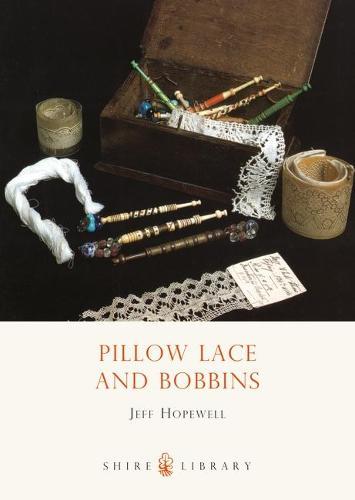
OverviewLacemaking was once a widespread cottage industry; at one time even men made lace because they earned more than they could working in the fields. Although those days have gone and no one in England can make a living from it, as a few women on he Continent still manage to do, it is regaining popularity as a hobby, assisted by the general revival of interest in crafts, bygones and local history. This book describes and illustrates different varieties of lace and the tools used in the making of it, not only from England, but also from France and Belgium, and explains some of the terms peculiar to the craft. A number of pages are devoted to lace bobbins, often highly decorated and sometimes inscribed with names or mottoes, usually concerned with the joys and sorrows of love, though occasionally with contemporary events or famous people. Full Product DetailsAuthor: Jeff HopewellPublisher: Bloomsbury Publishing PLC Imprint: Shire Publications Edition: New edition Dimensions: Width: 14.90cm , Height: 0.40cm , Length: 21.00cm Weight: 0.116kg ISBN: 9780747804000ISBN 10: 0747804001 Pages: 40 Publication Date: 03 February 1999 Audience: General/trade , General Format: Paperback Publisher's Status: Active Availability: Manufactured on demand We will order this item for you from a manufactured on demand supplier. Language: English Table of ContentsIntroduction; East Midlands Lace; The lace dealers; The lace schools; The lace associations; The bobbin makers; Bobbins and beads; Inscribed bobbins; Other tools of the trade; Honiton lace; Lacemaking in Belgium; Lacemaking in France; Lacemaking in other countries; Further reading; Places to VisitReviewsAuthor InformationJeff Hopewell has been interested in collecting small antiques since he was very young. His fascination for lace bobbins stems from the nucleus of half a dozen, all that remained of the many once used by his great-grandmother, a Northamptonshire lacemaker. These inspired him to acquire a representative collection, to research the history of lacemaking and to learn to make lace himself. A member of the Lace Guild since its formation, he has given talks to a number of local societies and written several articles. He is now a clergyman in the Church of England, carrying on the tradition of ecclesiastical eccentrics. Tab Content 6Author Website:Countries AvailableAll regions |
||||