|
|
|||
|
||||
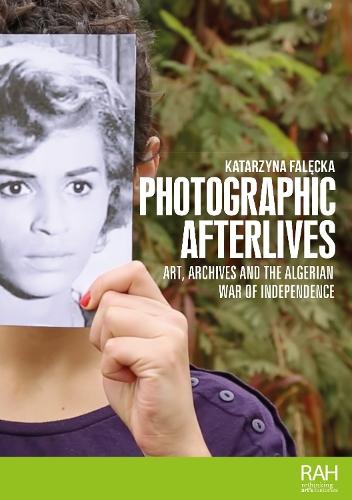
OverviewPhotographic afterlives explores the cultural, social and political contexts in which photographs from the Algerian War of Independence (19541962) emerge in contemporary art and photobooks. It situates these practices against the backdrop of the wider archival turn in the humanities and the ongoing debates about archives in Algeria. Tracing the movement of historical photographs across multiple spaces, the book unravels the subsequent layers of meaning accrued by these images. It argues that as much as archival contemporary art performs an inquiry into the past, it equally speaks volumes about the distinct and ever-shifting needs of the present. Focused on the work of artists and photographers who excavate side-lined histories of the war, remediate well-known narratives and imagine histories that cannot be recovered from archives, Photographic afterlives shows the great potential of archives of decolonisation. Full Product DetailsAuthor: Katarzyna FaleckaPublisher: Manchester University Press Imprint: Manchester University Press ISBN: 9781526181695ISBN 10: 152618169 Pages: 240 Publication Date: 02 June 2026 Audience: General/trade , General Format: Hardback Publisher's Status: Forthcoming Availability: Not yet available, will be POD This item is yet to be released. You can pre-order this item and we will dispatch it to you upon it's release. This is a print on demand item which is still yet to be released. Table of ContentsReviews‘Through a rich and wide-ranging evidence base and the sophisticated application of theories of photography, Photographic afterlives makes an important intervention into how artists have grappled with narrating both the past and present.’ —Natalya Vince, University College Oxford -- . ‘Fundamental questions of archival memory, stewardship, and decolonization receive new treatment in this revelatory study from Katarzyna Falecka. Thinking alongside contemporary artists who engage the purloined image inheritance of the Algerian War of Independence, Photographic afterlives summons us to contemplate photographic histories from the “long present” of unfinished colonial disentanglement.’ —Anneka Lenssen, University of California, Berkeley ‘Through a rich and wide-ranging evidence base and the sophisticated application of theories of photography, Photographic afterlives makes an important intervention into how artists have grappled with narrating both the past and present.’ —Natalya Vince, University College Oxford -- . Author InformationKatarzyna Falecka is a Lecturer in Art History at Newcastle University. Tab Content 6Author Website:Countries AvailableAll regions |
||||