|
|
|||
|
||||
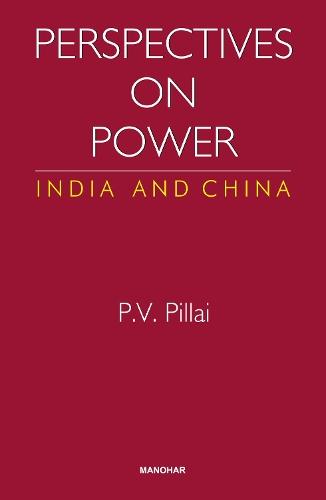
OverviewIndia and China underwent similar political experiences between the seventh and second centuries b.c. Centripetal forces propelled Magadha in India and the state of Ch’in, in China to positions of undisputed power through the assimilation and conquest of states, which had been their equals. In both the cases, the states that became paramount summed up and exemplified the forces and tendencies of the time and were outsiders to the hallowed centres of culture and thus, representative of the changing and radical nature of the epoch, in which Chou feudalism finally died in China and India saw the rise of major heterodox religious movements, such as Buddhism. This period of fierce inter-state conflict and fluctuating political fortunes preceding unification also saw the development of a literature of Realpolitik which frankly aimed at the aggrandisement of political might – a concern shared by both the Legalists of China and the Arthsastra author of India. These affinities are striking and well worth going into in detail, particularly in view of their divergent historical futures. Full Product DetailsAuthor: Padmanabh Vijai PillaiPublisher: Manohar Publishers and Distributors Imprint: Manohar Publishers and Distributors Dimensions: Width: 16.00cm , Height: 3.00cm , Length: 24.00cm ISBN: 9789391928872ISBN 10: 9391928870 Pages: 230 Publication Date: 11 October 2023 Audience: General/trade , General Format: Hardback Publisher's Status: Active Availability: In Print This item will be ordered in for you from one of our suppliers. Upon receipt, we will promptly dispatch it out to you. For in store availability, please contact us. Table of ContentsReviewsAuthor InformationPadmanabh Vijai Pillai after a brief stint with the Indian Foreign Service turned to academics and obtained a Ph.D. in History from the University of Michigan. He returned to Delhi and worked as a senior fellow at CSDS as a Homi Bhabha Fellow. Tab Content 6Author Website:Countries AvailableAll regions |
||||