Overview
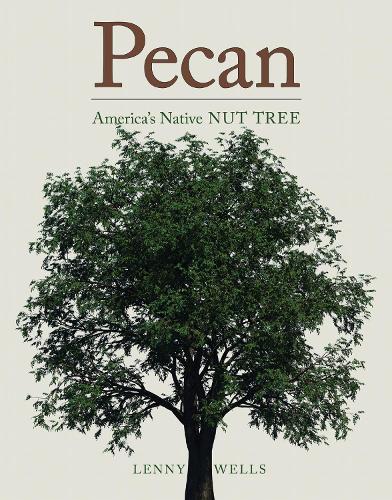
Written in a manner suitable for a popular audience and including color photographs and recipes for some common uses of the nut, Pecan: America’s Native Nut Tree gathers scientific, historical, and anecdotal information to present a comprehensive view of the largely unknown story of the pecan. From the first written record of it made by the Spaniard Cabeza de Vaca in 1528 to its nineteenth-century domestication and its current development into a multimillion dollar crop, the pecan tree has been broadly appreciated for its nutritious nuts and its beautiful wood. In Pecan: America’s Native Nut Tree, Lenny Wells explores the rich and fascinating story of one of North America’s few native crops, long an iconic staple of southern foods and landscapes. Fueled largely by a booming international interest in the pecan, new discoveries about the remarkable health benefits of the nut, and a renewed enthusiasm for the crop in the United States, the pecan is currently experiencing a renaissance with the revitalization of America’s pecan industry. The crop’s transformation into a vital component of the US agricultural economy has taken many surprising and serendipitous twists along the way. Following the ravages of cotton farming, the pecan tree and its orchard ecosystem helped to heal the rural southern landscape. Today, pecan production offers a unique form of agriculture that can enhance biodiversity and protect the soil in a sustainable and productive manner. Among the many colorful anecdotes that make the book fascinating reading are the story of André Pénicaut’s introduction of the pecan to Europe, the development of a Latin name based on historical descriptions of the same plant over time, the use of explosives in planting orchard trees, the accidental discovery of zinc as an important micronutrient, and the birth of “kudzu clubs” in the 1940s promoting the weed as a cover crop in pecan orchards.
Full Product Details
Author: Lenny Wells
Publisher: The University of Alabama Press
Imprint: The University of Alabama Press
Dimensions:
Width: 17.20cm
, Height: 2.50cm
, Length: 23.10cm
Weight: 0.875kg
ISBN: 9780817318871
ISBN 10: 0817318879
Pages: 320
Publication Date: 30 March 2017
Audience:
Professional and scholarly
,
Professional & Vocational
Format: Hardback
Publisher's Status: Active
Availability: In Print

This item will be ordered in for you from one of our suppliers. Upon receipt, we will promptly dispatch it out to you. For in store availability, please contact us.
Reviews
I have known Lenny Wells for quite some time and was well aware of his expertise as a pecan scientist and extension specialist. What I was not aware of was his ability as a storyteller. I was captivated by the story, and riveted by the accounts as he related them. The book is not only a unique history of the pecan, but an interesting account of a significant part of American history."""" - William D. Goff, senior editor for Pecan Production in the Southeast
Lenny Wells has done a masterful job weaving together many topics regarding the pecan tree improvement, propagation, horticulture, and the related topics of environmental science, natural history, and the duality of human planning and human caprice relating it to the history and culture of North America over the last four hundred years. Henry Hughes, director of education at the Birmingham Botanical Gardens, Birmingham, Alabama
"I have known Lenny Wells for quite some time and was well aware of his expertise as a pecan scientist and extension specialist. What I was not aware of was his ability as a storyteller. I was captivated by the story, and riveted by the accounts as he related them. The book is not only a unique history of the pecan, but an interesting account of a significant part of American history."""" - William D. Goff, senior editor for Pecan Production in the Southeast"
Author Information
Lenny Wells is an associate professor in the College of Agricultural and Environmental Sciences at the University of Georgia. His work with the Cooperative Extension Service is focused primarily on developing sustainable methods of pecan culture. Wells edited the Southeastern Pecan Growers Handbook and has been a regular columnist for Pecan South, The Pecan Grower, the Albany Herald, and Georgia Gardening.