|
|
|||
|
||||
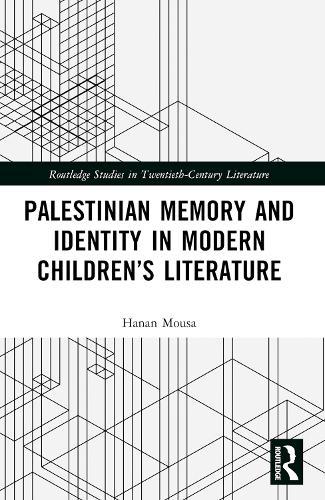
OverviewFull Product DetailsAuthor: Hanan MousaPublisher: Taylor & Francis Ltd Imprint: Routledge ISBN: 9781032765273ISBN 10: 1032765275 Pages: 144 Publication Date: 22 May 2026 Audience: College/higher education , Tertiary & Higher Education Format: Paperback Publisher's Status: Forthcoming Availability: Not yet available This item is yet to be released. You can pre-order this item and we will dispatch it to you upon its release. Table of ContentsPreface PART I Theoretical Section Chapter 1 – Introduction: The Features and Significance of Children’s Literature 1.1. The Term “Childhood” and its Conception 1.2. The Definition of Children’s Literature 1.3. Folk Heritage and Children’s Literature 1.4. The Use of Folk Heritage in Arabic Children’s Literature 1.5. The Relationship of Children’s Literature to Palestinian Folk Heritage 1.6. Summary Chapter 2 – The History of Palestinian Children’s Literature 2.1. Introduction 2.2. Palestinian Children’s Literature in the Mandate Era until 1948 2.3. The Development of Indigenous Palestinian Children’s Literature after 1948 2.4. Palestinian Children’s Literature in the Diaspora since 1948 2.5. Palestinian Children’s Literature in the West Bank and Gaza after 1967 Chapter 3 – Folk Heritage and its Forms 3.1. Introduction 3.2. Folk Heritage 3.2.1. Definition 3.2.2. The Interest in Folk Heritage: Beginnings and Trends 3.2.3. The Interest in Folk Heritage Among the Arabs 3.2.4.1. Palestinian Folk Heritage and its Significance 3.2.4.2. Palestinian Folk Heritage in the Orientalist Era until 1948 3.2.4.3. The First Period After the Nakba (1948–67) 3.2.4.4. The Second Period After the Nakba (1967–86) 3.2.4.5. The Period After the First Intifada Until Today 3.3. The Forms of Folk Heritage 3.3.1. Introduction 3.3.2. Folk Tales 3.3.2.1. The Folk Tale Concept 3.3.2.2. Folk Tales’ Features 3.3.2.3. Palestinian Folk Tales 3.3.3. Popular Proverbs 3.3.3.1. The Popular Proverb Concept 3.3.3.2. Popular Proverbs’ Features 3.3.3.3. Palestinian Popular Proverbs 3.3.4. Popular Songs 3.3.4.1. The Popular Song Concept 3.3.4.2. Popular Songs’ Features 3.3.4.3. Palestinian Popular Songs PART II Applied Section Chapter 4 – The Use of Folk Tales in Palestinian Children’s Literature 4.1. Introduction 4.2. The Use of Folk Tales 1967–87 4.2.1. Introduction 4.2.2. The Use of Folk Tale Features 4.2.2.1. The Use of Traditional Beginnings and Endings 4.2.2.2. The Use of Popular Expressions 4.2.2.3. The Use of Repetitive Styles 4.2.2.4. The Use of Descriptive Styles 4.2.2.5. The Use of Dialogic Styles 4.2.3. The Invocation of Folk Characters in Children’s Stories 4.2.3.1. Introduction 4.2.3.2. The Traditional Character Concept in Children’s Stories 4.2.3.3. The Invocation of the Ghūl 4.3. The Use of Folk Tales in the Period 1988–2015 4.3.1. Introduction 4.3.2. Reshaping Folk Tales 4.3.3. The Use of Narration in Folk Tales 4.3.3.1. Forms and Appearances of Narrator Presence in Children’s Stories 4.3.3.2. The Use of Narrator Styles in Children’s Stories 4.3.4. The Invocation of Traditional Characters in the Second Period 4.3.4.1. The Invocation of the Characters of Al-Shātir Hasan (Shater Hasan) and the Ghūl in Children’s Stories 4.3.5. The Use of Folk Tale Features in Children’s Stories 4.3.5.1. The Use of Styles of Beginning in Children’s Stories 4.3.5.2. The Use of Repetitive Styles in Children’s Stories 4.4. Summary Chapter 5 – The Use of Popular Proverbs in Palestinian Children’s Literature 5.1. Introduction 5.2. The Use of Popular Proverbs in the 1967–87 Period 5.2.1. Introduction 5.2.2. Citing Popular Proverbs in the Vernacular Dialect (al-ʿĀmmīya) Form 5.2.3. Citing Popular Proverbs via Converting Them into Classical Arabic (al-Fuṣḥa) 5.2.4. Citing Popular Proverbs as Titles of Children’s Stories (Paratextualism) 5.3. The Use of Popular Proverbs in the 1988–2015 Period 5.3.1. Introduction 5.3.2. Citing Popular Proverbs as Titles of Children’s Stories (Paratextualism) 5.3.2.1. Introduction 5.3.2.2. The Concept of Titles 5.3.2.3. Titles in Children’s Stories 5.3.2.4. Citing Popular Proverbs in Children’s Stories 5.3.2.5. The Dominance of Popular Proverbs and Their Prevalence over the Text 5.4. Summary Chapter 6 – The Use of Popular Songs in Palestinian Children’s Literature 6.1. Introduction 6.2. The Use of Popular Songs in the First Period (1967–87) 6.2.1. Introduction 6.2.2. The Use of Popular Song Names and Related Aspects (Allusion) in the First Period 6.2.3. The Citation of Popular Song Names Converted into Classical Arabic (al-Fuṣḥa) Form in the First Period 6.3. The Use of Popular Songs in the 1988–2015 Period 6.3.1. Introduction 6.3.2. The Use of Song Names and Related Aspects (Allusion) in the Second Period 6.3.3. The Use of Popular Songs in Vernacular Dialect (al-ʿĀmmīya) Form 6.3.4. The Use of Popular Songs Converted into Classical Arabic (al-Fuṣḥa)Form 6.3.5. Narration of Popular Song Styles 6.3.6. The Use of Popular Songs as Titles of Children’s Stories in the Second Period (Paratextualism) 6.3.7. Summary Conclusion Sources and References 1. List of Sources and References 1.1. Arabic-Language Sources 2. References 2.1. Arabic-Language References 2.2. Foreign-Language References Hebrew-Language ReferencesReviewsAuthor InformationHanan Mousa is a lecturer at the Sakhnin College for Teacher Education in northern Israel since 2011. Tab Content 6Author Website:Countries AvailableAll regions |
||||