Overview
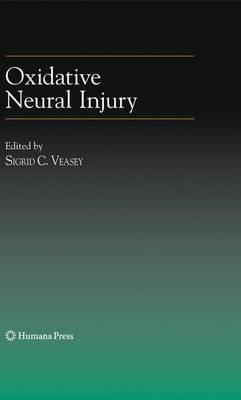
Twenty-five years ago, Earl R. Stadtman, PhD discovered that specific enzymes regulating metabolism can be inactivated by oxidation [1]. He later showed that age-related oxidative modification contributes, at least in part, to age-related loss of function of the enzymes [2, 3]. Dr. Stadtman broke the ground for a new field of study to discover how oxidative stress contributes in significant ways to age-related cellular dysfunction and protein accumulation and that oxidation in the aging brain influences Alzheimer’s disease, ischemia-reperfusion injury, amyotrophic lateral sclerosis, and lifespan [4–6]. Today, his research and mentorship have positively influenced the work of hundreds of scientists in this field. We dedicate this book to Dr. Earl R. Stadtman (1912–2008), in celebration of his passion for science and his superior collaborative and mentorship skills. This book is comprised of three sections. The first describes the valuable roles reactive oxygen species (ROS) and reactive nitrogen species (RNS) play in cellular biology. The second section provides an overview of redox imbalance injury with effects on mitochondria, signaling, endoplasmic reticular function, and on aging in general. The third section takes these mechanisms to neurodegenerative disorders and provides a state-of-the-art look at the roles redox imbalances play in age-related susceptibility to disease and in the disease processes. In the first section we attempt to answer a question posed by Dr. Stadtman, ‘‘Why have cells selected reactive oxygen species to regulate cell signaling events’’ [7].
Full Product Details
Author: Sigrid C. Veasey
Publisher: Humana Press Inc.
Imprint: Humana Press Inc.
Edition: Softcover reprint of hardcover 1st ed. 2009
Dimensions:
Width: 15.50cm
, Height: 1.20cm
, Length: 23.50cm
Weight: 0.454kg
ISBN: 9781617378928
ISBN 10: 1617378925
Pages: 218
Publication Date: 09 November 2010
Audience:
Professional and scholarly
,
Professional & Vocational
Format: Paperback
Publisher's Status: Active
Availability: In Print

This item will be ordered in for you from one of our suppliers. Upon receipt, we will promptly dispatch it out to you. For in store availability, please contact us.
Reviews
From the reviews: This book addresses how oxidative stress contributes to age-related cellular dysfunction particularly in Alzheimer's ischemia, Parkinson's disease, and other neurodegenerative conditions. The book fills a niche, addressing the current molecular understanding of oxidative stress and its role in pathophysiology. ! it is most appropriate for the many neuroscientists around the world contemplating how to identify the next best approach for targeted therapy for several neurodegenerative diseases. ! the book is a good resource for libraries with PhD graduate students and molecular neuroscience laboratories. (Joseph I. Sirven, Doody's Review Service, December, 2009)
From the reviews: This book addresses how oxidative stress contributes to age-related cellular dysfunction particularly in Alzheimer's ischemia, Parkinson's disease, and other neurodegenerative conditions. The book fills a niche, addressing the current molecular understanding of oxidative stress and its role in pathophysiology. ... it is most appropriate for the many neuroscientists around the world contemplating how to identify the next best approach for targeted therapy for several neurodegenerative diseases. ... the book is a good resource for libraries with PhD graduate students and molecular neuroscience laboratories. (Joseph I. Sirven, Doody's Review Service, December, 2009)