|
|
|||
|
||||
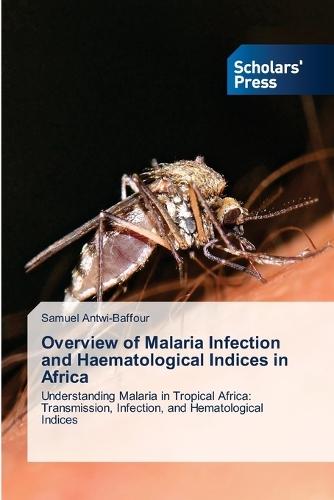
OverviewMalaria, a severe parasitic disease transmitted by Anopheles mosquitoes, is caused by various Plasmodium species, with P. falciparum and P. vivax posing the greatest threat. While most infections are uncomplicated, a small percentage progresses to severe malaria, characterized by disruptions in immune cell profiles and increased cytokine levels. Severe P. falciparum malaria is associated with elevated plasma cytokines, T cell lymphopenia, and impaired T cell function. Treatment aims to restore immune cell balance, particularly CD3+, CD4+, and CD8+ cells. Protective immunity involves CD8+ T cells and cytokines like IFN-γ and TNF, while CD4+ T cells combat erythrocytic parasites through cytokine secretion and macrophage activation. Regulatory T cells also play a role, highlighting the importance of cytokine balance in malaria. Additionally, factors like antigen affinity influence T helper lymphocyte differentiation, affecting immune responses to the disease. Full Product DetailsAuthor: Samuel Antwi-BaffourPublisher: Scholars' Press Imprint: Scholars' Press Dimensions: Width: 15.20cm , Height: 0.50cm , Length: 22.90cm Weight: 0.136kg ISBN: 9786206772170ISBN 10: 6206772179 Pages: 84 Publication Date: 22 October 2024 Audience: General/trade , General Format: Paperback Publisher's Status: Active Availability: Available To Order We have confirmation that this item is in stock with the supplier. It will be ordered in for you and dispatched immediately. Table of ContentsReviewsAuthor InformationTab Content 6Author Website:Countries AvailableAll regions |
||||