|
|
|||
|
||||
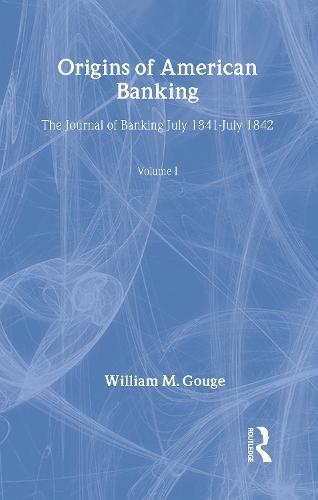
OverviewThe United States dollar is the world's leading currency, and yet it was born out of a series of accidents and ad hoc decisions. The first attempt by Congress to introduce a unified currency to finance a national army failed because nearly twenty counterfeit notes appeared for each genuine dollar and because the central government had no powers to tax to back up its currency. Even after Congress was given the exclusive power of coinage under the Constitution, it took sixteen years to set up the Mint. The Federal government's theoretical monopoly over coinage, however, did not stop States from using their charter to set up note issuing banks. The resulting corruption and fraud led to experiments in regulation and a system of 'free banking'. This set examines the development of banking in the United States in the first half of the nineteenth century. The material considers issues such as: The role of a central bank Banking regulation Banks and money supply The volumes are significant both in the development of the theory of banking and in terms of documenting the history of banking in the United States. Full Product DetailsAuthor: John ChownPublisher: Taylor & Francis Ltd Imprint: Routledge Weight: 5.057kg ISBN: 9780415144506ISBN 10: 0415144507 Pages: 1800 Publication Date: 07 November 1996 Audience: College/higher education , Undergraduate , Postgraduate, Research & Scholarly Format: Hardback Publisher's Status: Active Availability: In Print This item will be ordered in for you from one of our suppliers. Upon receipt, we will promptly dispatch it out to you. For in store availability, please contact us. Table of ContentsReviewsAuthor InformationTab Content 6Author Website:Countries AvailableAll regions |
||||