|
|
|||
|
||||
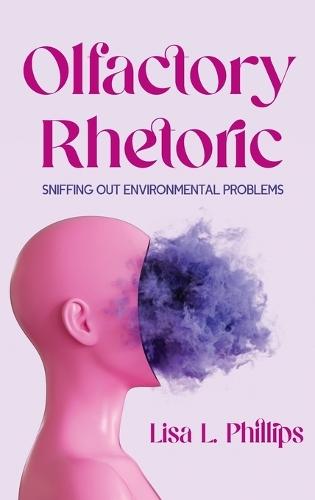
OverviewHuman senses have the potential to play a significant role in inspiring action to combat climate change. When we smell pollutants in the air, for example, or feel the blast of a polar vortex, we are more likely to act in response to these changes in environmental conditions. However, the sensorium-and particularly our sense of smell-is often downplayed when we consider the rhetorics of environmental crises. In Olfactory Rhetoric, Lisa L. Phillips argues that how we sense the world around us should be a crucial piece of rhetorical evidence when evaluating environmental injustices. Specifically, Phillips elevates olfaction (what we smell) and olfactory rhetoric (how we talk about and experience what we smell) when discussing three contemporary environmental crises set in historically marginalized communities: the Sriracha sauce factory controversy, the Salton Sea scent events, and the Blue Ridge Landfill emissions problem. On a broader scale, Phillips develops an intersectional ecofeminist sensory-rhetorical approach for evaluating how olfactory and sensory persuasions work and how they can be used to advocate for environmental justice and a more breathable future. Full Product DetailsAuthor: Lisa L PhillipsPublisher: Ohio State University Press Imprint: Ohio State University Press Dimensions: Width: 15.20cm , Height: 1.80cm , Length: 22.90cm Weight: 0.481kg ISBN: 9780814215937ISBN 10: 0814215939 Pages: 232 Publication Date: 07 August 2025 Audience: General/trade , General Format: Hardback Publisher's Status: Active Availability: Available To Order We have confirmation that this item is in stock with the supplier. It will be ordered in for you and dispatched immediately. Table of ContentsReviews""Olfactory Rhetoric clarifies the necessity of including the sensorium as rhetorical evidence, especially when considering environmental problems. Phillips's intriguing neologisms like lungscape, smellscape, nosewitnessing, and nosesay will help material rhetorical scholars rethink how our language constructs ocular and language-based biases."" --Emma Frances Bloomfield, author of Science v. Story: Narrative Strategies for Science Communicators Author InformationLisa L. Phillips is Assistant Professor of English in the Technical Communication and Rhetoric Program at Texas Tech University. She is the coeditor of Grassroots Activisms: Public Rhetorics in Localized Contexts. Tab Content 6Author Website:Countries AvailableAll regions |
||||