|
|
|||
|
||||
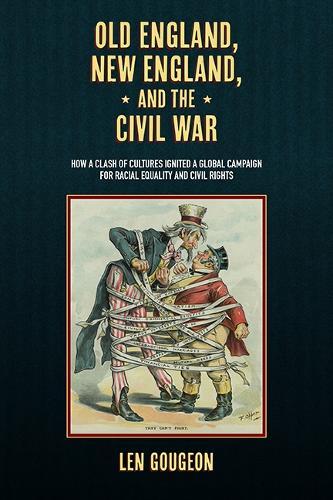
OverviewFull Product DetailsAuthor: Len GougeonPublisher: State University of New York Press Imprint: State University of New York Press Dimensions: Width: 15.20cm , Height: 3.00cm , Length: 22.90cm Weight: 0.680kg ISBN: 9798855802122Pages: 368 Publication Date: 01 May 2025 Audience: College/higher education , Postgraduate, Research & Scholarly Format: Hardback Publisher's Status: Active Availability: Manufactured on demand We will order this item for you from a manufactured on demand supplier. Table of ContentsAcknowledgments Abbreviations Introduction 1. 1860: Slavery, Race, and the Seeds of Cultural Conflict 2. 1861: As Civil War Approaches, the Debate over Slavery Intensifies at Home and Abroad 3. War Against Slavery at Home Brings Conflict Abroad 4. The North Suffers a Humiliating Defeat: British Critics Gloat 5. The Old World and the New Collide: The Trent Affair Brings the Threat of War 6. 1862: Talk of Emancipation Fuels British Fears of a Global Race War 7. Union Victories Temper British Critics 8. The North Suffers Military Reversals: British Consider Intervention 9. Lincoln Proclaims Emancipation as Race Takes Center Stage 10. Midterm Elections Focus on Race 11. 1863: As the Civil War Becomes a Second Revolution, Conflict with Great Britain Looms 12. British Conservatives React with Alarm as Race and Class Become Central Issues 13. New England Liberals Herald the Rise of the ""African American"": British Critics Scoff 14. Union Victories and Colored Soldiers Change the Course and Complexion of the War 15. Lincoln Affirms Commitment to Emancipation: Animosity Toward Great Britain Deepens 16. Lincoln Speaks for Equality: The Anglo-American Divide Widens 17. 1864: The ""Negro Question"" Spurs Intense International Debate 18. Republican Radicals Declare Slavery Must Go: British Call for ""Regulated Coercion"" 19. Atlanta Falls and Lincoln Rises: British Criticism Intensifies 20. 1865: The Civil War Ends, but the Battle for Human Rights Continues Epilogue Notes Bibliography IndexReviews""Old England, New England, and the Civil War details a story never told with such precision and accuracy: why English intellectuals, at first sympathetic to the cause of their New England counterparts, over the course of the Civil War became estranged as abolitionists began to stress the inherent dignity—and humanity—of the enslaved. Based on prodigious research in primary sources, this should be required reading for anyone interested in Anglo-American relations during the War."" — Philip F. Gura, University of North Carolina at Chapel Hill Author InformationLen Gougeon is Distinguished Professor of American Literature, Emeritus, at the University of Scranton, past President of the Ralph Waldo Emerson Society, and recipient of the society's Distinguished Achievement Award. He is the author of Emerson and Eros: The Making of a Cultural Hero, also by SUNY Press. Tab Content 6Author Website:Countries AvailableAll regions |
||||