Overview
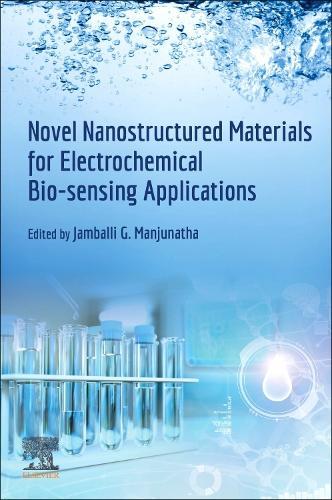
Novel Nanostructured Materials for Electrochemical Bio-sensing Applications
Full Product Details
Author: Jamballi G. Manjunatha (Assistant Professor in Chemistry, FMKMC College Madikeri, Mangalore University, India)
Publisher: Elsevier - Health Sciences Division
Imprint: Elsevier - Health Sciences Division
Weight: 1.020kg
ISBN: 9780443153341
ISBN 10: 0443153345
Pages: 646
Publication Date: 21 November 2023
Audience:
Professional and scholarly
,
Professional & Vocational
Format: Paperback
Publisher's Status: Active
Availability: Manufactured on demand 
We will order this item for you from a manufactured on demand supplier.
Table of Contents
PART 1: Fundamentals, Current advancements in nanostructured electrochemical biosensors Currently there is a huge progress in nanostructured materials and their applications. Especially for electrochemical bio-sensing applications because nanostructured material has great characteristics like rich surface chemistry, high surface area, surface functionality, compatibility etc. 1. Fundamentals of nanostructured materials and synthetic routes 2. Basic principles, classifications and historical prospectives of electrochemical biosensors 3. Modern trends in carbon nanostructured materials based electrochemical bio-sensing systems 4. Developments in inorganic, organic nanostructured materials based electrochemical bio-sensing 5. Organo-metallic and biomass derived nanostructured materials for bio-sensing applications 6. Comparative review of nanostructured electrochemical bio-sensing with other sensing technologies PART 2: Fabrication of nanostructured materials based bio-sensing Platforms Physical, chemical, mechanical characteristics and chemical functionalities of material played an important role in fabrication of electrochemical biosensor. Material characteristics has a great influence on bio-sensing performance. This section includes discussion of methods and materials for preparation of nanostructured biosensors. 7. Approaches in preparation of carbon nanostructured electrochemical bio-sensing devices 8. Fabrication routes for metallic nanostructured electrochemical biosensors 9. Design of nanostructured bio-sensors based on organic and other composite materials 10. Electronic aspects of Electrochemical biosensors: Operation conditions, power requirement, integration ability PART 3: Applications of nanostructured electrochemical biosensors Nanostructure material based biosensors have wide spread applications in field of biomedical, environmental, industrial, food and beverages, agricultural, forensic and pharmaceutical analysis. Because these biosensors hold extradinary analytical improvements in terms of low concentration detection, impressive detection and quantification limits. This section includes the applications of nanostructured material biosensors 11. Nanostructured materials based electrochemical biosensor devices for quantification of antioxidants 12. Nanostructured electrochemical biosensors for pesticides, insecticides. 13. Electrochemical bio-sensing for determination of toxic dyes 14. Electrochemical detection of pathogens in water and food samples 15. Electrochemical biosensors for toxic gases monitoring 16. Electrochemical bio-sensing tools for soil nutrient and pH monitoring 17. Nanostructure materials modified electrochemical bio-sensing devices for determination of neurochemicals 18. Real-time utilization of nanostructured biosensors for determination food toxins 19. Nanostructured electrochemical biosensors for estimation of pharmaceutical drugs 20. Advanced nanostructured materials based biosensors in clinical and forensic diagnosis 21. Detection of toxic metals using nanostructured bio-sensing platforms 22. Nanostructured materials based electrochemical biosensors for hormones 23. Nanostructured electrochemical biosensors for determination of amino acids 24. Micronutrients and vitamins electrochemical biosensors based on nanostructured materials 25. Applications of flexible, wearable biosensors for society welfare 26. Safety, health and regulation issues of nanostructured biosensors 27. Advances in green synthesis of nanostructured biosensors 28. Recycling, Toxicity and disposal methods for nanostructured materials based biosensors 29. Economic impact and commercialization limitations of nanostructured electrochemical biosensors 30. Future Sustainability and sensitivity of nanostructured materials based electrochemical biosensors over other technologies 31. Current electrochemical biosensors in market, trends and its future reliability : A Case study 32. A overview stability and life time of electrochemical biosensors
Reviews
Author Information
J G Manjunatha is an Assistant Professor in Chemistry at FMKMC College, A Constituent College of Mangalore University, India. He received his Ph.D. degree in Chemistry from Kuvempu University and Postdoc from the University of Kebangsaan Malaysia. His research interests focus on the fabrication of electrochemical sensors for the detection of biologically active molecules and the fabrication of binderless supercapacitors. He has received various awards and published more than 190 research articles in reputed International Journals. An editor for around 21 books books (RSC, ACS, IOP, Elsevier and Bentham science publishers), and special issues (IOP Science Publisher, Frontiers in Sensors, MDPI). He is also an editorial board member for many reputed journals and Editor -Chief Sensing technology journal (Taylor and Francis).
Tab Content 6
Author Website:
Countries Available
All regions
|