Overview
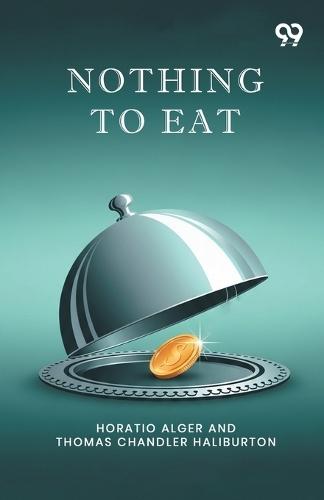
Nothing to eat offers a satirical look at wealth, social display, and the contradictions that arise when luxury and insecurity exist side by side. The poem follows a figure embedded in fashionable society, whose complaints about scarcity contrast sharply with the lavish surroundings that frame every moment. Through exaggerated concerns about food and presentation, the narrative exposes the anxieties that accompany maintaining status, revealing how individuals may feel deprived even while surrounded by abundance. A grand dinner setting becomes the stage for exploring the absurdity of excess, where indulgence is paired with constant dissatisfaction and fear of appearing inadequate. Conversations and reflections highlight the disconnect between those who live comfortably and those who face real need, underscoring how privilege can distort perceptions of hardship. As the work unfolds, humor and irony blend to critique the pressures of social expectation and the fragility of identity built upon appearance. The poem ultimately questions how one can claim to have nothing within a world overflowing with material comfort.
Full Product Details
Author: Horatio Alger ,
Thomas Chandler Haliburton
Publisher: Double 9 Books
Imprint: Double 9 Books
Dimensions:
Width: 14.00cm
, Height: 0.30cm
, Length: 21.60cm
Weight: 0.068kg
ISBN: 9789376394951
ISBN 10: 937639495
Pages: 48
Publication Date: 01 November 2025
Audience:
General/trade
,
General
Format: Paperback
Publisher's Status: Active
Availability: Available To Order

We have confirmation that this item is in stock with the supplier. It will be ordered in for you and dispatched immediately.
Author Information
Horatio Alger and Thomas Chandler Haliburton are connected through writing that uses humor, exaggeration, and sharp observation to explore the values and contradictions present in society. Their work reflects an interest in how ambition, status, and social performance shape daily life, often revealing the gap between outward appearance and genuine need. Both writers engage with the idea that people may chase recognition, wealth, or acceptance without understanding the pressures and illusions that accompany those pursuits. In their satirical approach, they highlight how communities measure success through display rather than substance, creating characters who navigate expectations that are both exhausting and absurd. Their storytelling style suggests an awareness of how comfort can mask insecurity and how individuals in privileged positions may misunderstand what hardship truly means. By blending humor with critique, their writing encourages readers to question assumptions about prosperity, refinement, and social belonging. Each author contributes to a tradition that examines the rituals and tensions of everyday life, using wit and irony to reveal the deeper motivations behind human behavior.