Overview
In the world of brass instrument players, many manias and diseases develop, such as Bell's palsy, oromandibular dystonia, bruxism, Satchmo syndrome and stage anxiety. Wind players are the most commonly affected and represent 70% of the patients in the profession. A 2009 study of 450 musicians from Argentina resulted in that 53% had ever suffered injuries to muscles, tendons and joints, 22% were due to trauma and 17% due to dystonia. Dystonia is a less frequent syndrome, but it also affects musicians, generating problems in the central nervous system, with involuntary movements triggered by a certain repetitive act. Oromandibular dystonia is a focal dystonia characterized by involuntary spasms of the chewing, facial and lingual muscles. Different forms of oromandibular dystonia are distinguished: opening, with lateral deviation and closing depending on the affected musculature. Oromandibular closing dystonia is caused by dystonic spasms of the temporal muscles and masseters. Mainly in this group suffer problems in the muscles of the lips. Satchmo Syndrome is a muscle tear due to the effort of said muscle to make the instrument sound. Oromandibular dystonia disorders of the temporomandibular joint have symptoms which increase especially during practice. Playing wind instruments damages the blood vessels of the brain. Like athletes, they require regular and proper warm-up, especially beginners. The coordination of the muscles of the face, lips and tongue helps breathing. Knowing the correct way to warm up prevents medical consequences, such as tears, and significantly improves execution. All this heating is coordinated with the facial muscles, air, lungs and the diaphragm, which is one of the strongest muscles in the human body. The diaphragm, which is located below the lungs, is the main muscle of respiration. It is a long dome-shaped muscle that contracts rhythmically and continuously and, most of the time, involuntarily. On inhalation, the diaphragm contracts and flattens and the chest cavity widens. This contraction creates a vacuum that sucks air into the lungs. On exhalation, the diaphragm relaxes and returns to its dome shape and air is expelled from the lungs. Some emotions such as sadness, fear, anxiety or stress can influence diaphragmatic activity or its proper functioning. In turn, these emotions can lead to alterations in the perception of pain. The activity of the diaphragm is also essential in maintaining posture and changes in body position, due both to its location and its insertion areas in the center of the body, as well as its isolated contractions, which have been shown to produce postural alterations depending on the position in which we find ourselves. At the level of the circulatory system, the diaphragm facilitates venous and lymphatic return. This is because its movements can produce changes in body pressure. This function is important for the absorption of substances from the peritoneal cavity, as well as for good circulation of blood in the liver and abdomen. The pressures on the abdominal viscera produced by the movement of the diaphragm favor peristaltic movements and digestive functioning. In turn, the gastroesophageal function it presents is also relevant, since the crural part of the diaphragm prevents gastroesophageal reflux and intervenes in other important processes. It is important to have total control of the diaphragm to play any wind instrument. Jose Pardal
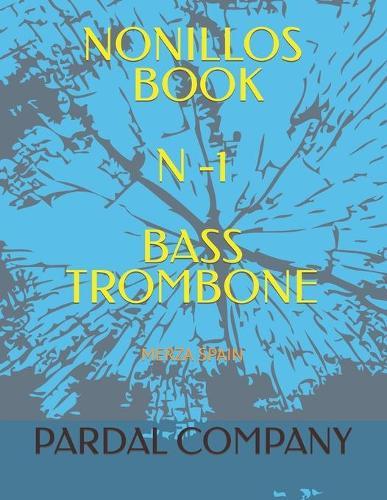
Full Product Details
Author: Jose Pardal ,
Jose Perez ,
Pardal Music Company
Publisher: Independently Published
Imprint: Independently Published
Volume: 1
Dimensions:
Width: 21.60cm
, Height: 0.70cm
, Length: 27.90cm
Weight: 0.322kg
ISBN: 9798408813193
Pages: 132
Publication Date: 27 January 2022
Audience:
General/trade
,
General
Format: Paperback
Publisher's Status: Active
Availability: Available To Order

We have confirmation that this item is in stock with the supplier. It will be ordered in for you and dispatched immediately.