Overview
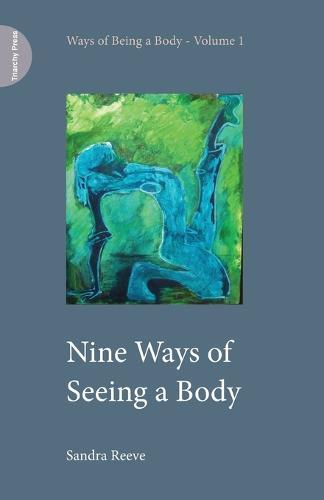
We're used to recognizing that people have different ideas of what constitutes a nation, an organisation, one's self, etc. But the human body? Surely that's a more solid and tangible thing? In fact, people in different cultures and at different times in history, have held radically different ideas about the body. Understanding these differences is an essential step for anyone trying to understand different approaches to medicine, dance, theatre, psychotherapy, sex and ecology. This book presents nine lenses through which the body is conventionally viewed: The body as object (Descartes' approach, linked to modern, Western individualism and as usually viewed by Western, allopathic medicine); the body as subject (with reference to physical theatre and the work of directors and writers like Peter Brook, Jerzy Grotowski and Eugenio Barba); the phenomenological body (the view that the body holds its own meaning - this is the idea of the 'lived' body as discussed by Husserl and Merleau-Ponty, amongst others); the somatic body (familiar to Feldenkrais, Body-Mind Centering and somatics practitioners); the contextual body (paying attention to self-reflection and self-awareness in the context of the body's surroundings - here are the beginnings of ecopsychology); and, the interdependent body (as reflected by matching, guiding and kinetic mirroring in movement work and by the growing field of kinaesthetic empathy). The environmental body (as discussed by Maturana and Varela's Santiago theory of cognition; this approach looks at incorporated habits and the effect of moving in nature); the cultural body (here there is an awareness of culturally specific, daily-life movement and close links with Csordas' view of embodiment); the ecological body (drawing on Suryodarmo's Amerta Movement, on Buddhist mindfulness and on notions of 'interbeing'. An awareness of being 'among' rather than 'at the centre of'. Dr Sandra Reeve's groundbreaking approach to the ecological body and ecological movement matches emerging developments in design thinking and ecological thinking.
Full Product Details
Author: Sandra Reeve
Publisher: Triarchy Press
Imprint: Triarchy Press
Dimensions:
Width: 14.00cm
, Height: 0.40cm
, Length: 21.60cm
Weight: 0.111kg
ISBN: 9781908009326
ISBN 10: 1908009322
Pages: 72
Publication Date: 25 June 2011
Audience:
Professional and scholarly
,
Professional & Vocational
Format: Paperback
Publisher's Status: Active
Availability: In Print

This item will be ordered in for you from one of our suppliers. Upon receipt, we will promptly dispatch it out to you. For in store availability, please contact us.
Reviews
In this compact and accessible book Sandra Reeve invites the reader to engage with 'the body' through nine different lenses. The ensuing thought provoking journey will be of particular value to psychotherapists, arts therapists, and those interested in new ways of being. Anna Chesner: London Centre for Psychodrama This book is a delightful, readable set of beginning points or lenses through which to constantly consider and reconsider embodied practice - I am already looking forward to the second book. Phillip Zarrilli: Artistic Director, The Llanarth Group
Author Information
Dr. Sandra Reeve is a movement teacher, artist, director and movement psychotherapist, offering therapy and supervision in private practice. She lives in West Dorset. Since 1999, she has taught an annual programme of autobiographical and environmental movement workshops called Move into Life(R) and she creates occasional, small-scale ecological performances. She is an Honorary Fellow at the University of Exeter, where she lectures in Performance and Ecology.