|
|
|||
|
||||
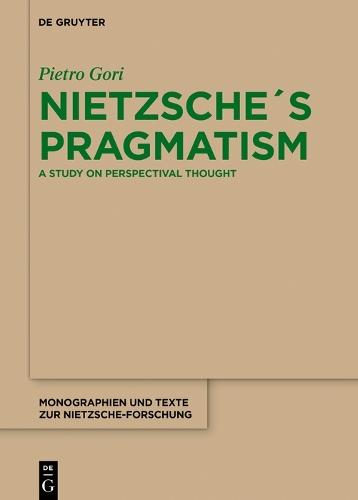
OverviewDuring his late period, Nietzsche is particularly concerned with the value that mankind attributes to truth. In dealing with that topic, Nietzsche is not primarly interested in the metaphysical disputes on truth, but rather in the effects that the ""will to truth"" has on the human being. In fact, he argues that the ""faith in a value as such of truth"" influenced Western culture and started the anthropological degeneration of the human type that characterizes European morality. To call into question the value of truth is therefore necessary, if one wants to help mankind to find her way in the labyrinth of nihilism. In this new addition to Nietzsche scholarship, Gori explores the origin and aim of the philosopher's late perspectival thought by merging the theoretical with the historical approach, with a special focus on the epistemological debate that influenced Nietzsche. As a result, the book provides a contextual reading of the issue that supports the idea that Nietzsche’s attitude in addressing the problem of truth is, in a broad sense, pragmatic. Full Product DetailsAuthor: Pietro Gori , Sarah de SanctisPublisher: De Gruyter Imprint: De Gruyter Volume: 72 Dimensions: Width: 17.00cm , Height: 1.30cm , Length: 24.00cm Weight: 0.458kg ISBN: 9783110590944ISBN 10: 3110590948 Pages: 182 Publication Date: 01 April 2019 Audience: Professional and scholarly , Professional & Vocational , Professional & Vocational Format: Hardback Publisher's Status: Active Availability: Available To Order We have confirmation that this item is in stock with the supplier. It will be ordered in for you and dispatched immediately. Language: German Table of ContentsReviewsAuthor InformationPietro Gori, New University of Lisbon, Portugal. Tab Content 6Author Website:Countries AvailableAll regions |
||||