|
|
|||
|
||||
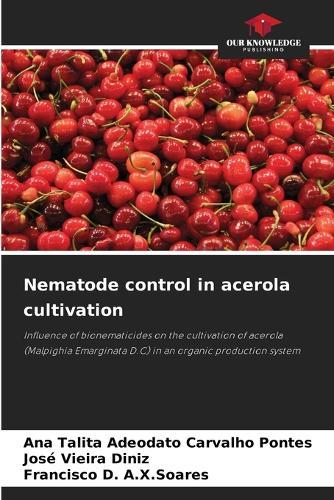
OverviewOver the years, acerola cultivation has gained prominence in the domestic and international markets due to its high vitamin C content, making it attractive to pulp processing and natural vitamin C production industries, which is reflected in the growth of commercial orchards. The phytosanitary situation of the crop is not very diverse, with only a few key pests such as aphids, scale insects, and fruit flies, and occasionally plants are attacked by beetles and bedbugs. However, one of the phytosanitary problems of great economic importance for the crop is phytonematodes. These worms can negatively affect production, with problems varying according to the species found in the orchard and their respective levels of infestation. Their effects can be observed both in the malformation and development of plants and in low productivity, resulting in low profitability or even economic losses for the producer. Full Product DetailsAuthor: Ana Talita Adeodato Carvalho Pontes , José Vieira Diniz , Francisco D a X SoaresPublisher: Our Knowledge Publishing Imprint: Our Knowledge Publishing Dimensions: Width: 15.20cm , Height: 0.30cm , Length: 22.90cm Weight: 0.082kg ISBN: 9786208445010ISBN 10: 6208445019 Pages: 52 Publication Date: 05 February 2026 Audience: General/trade , General Format: Paperback Publisher's Status: Active Availability: Available To Order We have confirmation that this item is in stock with the supplier. It will be ordered in for you and dispatched immediately. Table of ContentsReviewsAuthor InformationTab Content 6Author Website:Countries AvailableAll regions |
||||