|
|
|||
|
||||
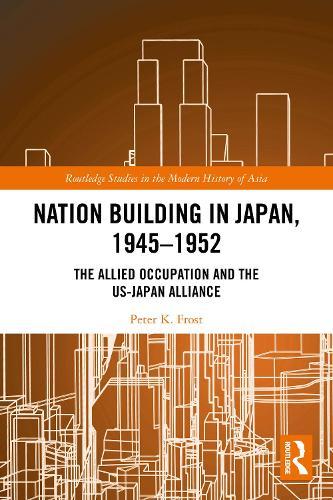
OverviewThis book analyzes the Allied Occupation of Japan (1945–1952). It begins by explaining why Japan spent roughly fifty years building its own colonial system and declaring war on China and the Western Allies, only to decide after military defeats, two atomic bombings and the Soviet declaration of war, to surrender before being invaded. It goes on to describe the controversial issues surrounding the conduct of the Occupation forces, the largely American reform proposals and the shifts in policy as the Cold War developed. Particular emphasis is placed on women’s issues, the Japanese and American reactions to President Truman’s decision to fire General Douglas MacArthur, the tensions surrounding the requirement that the Japanese allow US military bases to stay in Japan and the still ongoing debate over the American decision to drop two atomic bombs on Japan. Despite all this, the book concludes that particularly when compared with later Allied nation building efforts in Vietnam, Afghanistan and Iraq and the current state of US politics, the Occupation experience was, on the whole, a relatively positive one for both the Japanese and the US-Japan alliance. Full Product DetailsAuthor: Peter K. Frost (Peter Frost is the Frederich L. Schuman Professor of International Relations, Emeritus at Williams College)Publisher: Taylor & Francis Ltd Imprint: Routledge Weight: 0.240kg ISBN: 9781032470344ISBN 10: 1032470348 Pages: 130 Publication Date: 30 July 2025 Audience: Professional and scholarly , Professional & Vocational Format: Paperback Publisher's Status: Active Availability: Not yet available This item is yet to be released. You can pre-order this item and we will dispatch it to you upon its release. Table of ContentsReviewsAuthor InformationPeter K. Frost is the Frederick L. Schuman Professor of International Studies Emeritus at Williams College, USA Tab Content 6Author Website:Countries AvailableAll regions |
||||