|
|
|||
|
||||
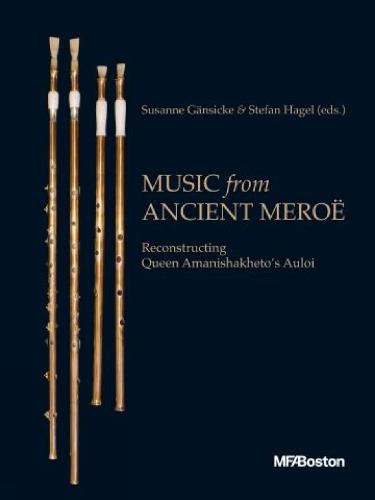
OverviewIn 1921, the Harvard University-Museum of Fine Arts Expedition to Meroë in the northern Sudan excavated a cache of ancient wind instruments in the tomb of Queen Amanishakheto from the late first century BCE. Although recognized as important testimonies to the music of classical antiquity at the moment of discovery, the instruments were highly deteriorated and fragmented. Over decades, scholars attempted to understand the find, but the sheer number of fragments had made a meaningful interpretation almost hopeless—until now. This volume presents the results of a twelve-year-long research and conservation project on the auloi of Meroë. It offers a contextualized narrative of discovery, detailed documentation of the cache, and the technical and musical interpretations of the twelve pipes. It serves readers with various interests, ranging from Nubia and the ancient Nile Valley through the histories of music and technology between the Greco-Roman world and the Empire of Kush, and particularly the community of scholars and practitioners of the aulos. Full Product DetailsAuthor: Susanne Gänsicke , Stefan Hagel , Olga SutkowskaPublisher: Lockwood Press Imprint: Lockwood Press ISBN: 9781957454740ISBN 10: 1957454741 Pages: 312 Publication Date: 30 June 2026 Audience: Professional and scholarly , Professional & Vocational Format: Hardback Publisher's Status: Forthcoming Availability: In Print Limited stock is available. It will be ordered for you and shipped pending supplier's limited stock. Table of ContentsReviewsAuthor InformationSusanne Gänsicke is an archaeological conservator and head of antiquities conservation at the J. Paul Getty Museum. Stefan Hagel is a senior research at the Austrian Archaeological Institute, Austrian Academy of Sciences. Tab Content 6Author Website:Countries AvailableAll regions |
||||