|
|
|||
|
||||
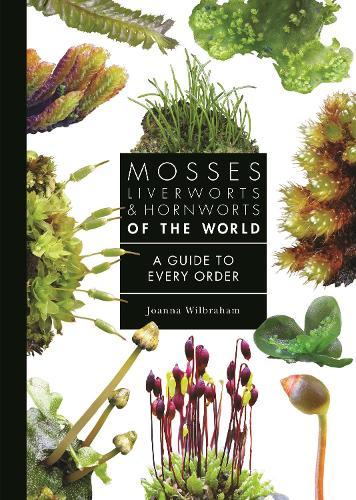
OverviewA magnificently illustrated guide to the bryophyte species found across the world. Bryophytes are a highly diverse group of plants found in nearly all parts of the world and across a range of habitats. The term 'bryophyte' describes plants of three closely related lineages: the mosses, liverworts, and hornworts. Ancient in their makeup, bryophytes disperse by spores rather than seeds and grow no more than a few centimetres high, carpeting forest floors or clinging to rocks and tree trunks. Instead of conducting fluids internally (like vascular plants), they absorb water and nutrients externally across the whole body of the plant. Such strategies have enabled bryophytes to survive, and indeed thrive, through the millennia. Mosses, Liverworts, and Hornworts of the World makes sense of their miniature world, differentiating between the three lineages and delving into their evolution, anatomy, and life cycles. The result is an unprecedented in-depth look at these exquisitely beautiful and often overlooked organisms. Full Product DetailsAuthor: Joanna WilbrahamPublisher: Princeton University Press Imprint: Princeton University Press ISBN: 9780691265193ISBN 10: 0691265194 Pages: 240 Publication Date: 05 August 2025 Audience: College/higher education , Professional and scholarly , General/trade , Tertiary & Higher Education , Professional & Vocational Format: Hardback Publisher's Status: Active Availability: Available To Order We have confirmation that this item is in stock with the supplier. It will be ordered in for you and dispatched immediately. Table of ContentsReviews""Joanna Wilbraham has done a masterful job in guiding us through the world beneath our feet. Your next walk through the forest will be more complete than it has ever been before.""---David Gascoigne, Travels with Birds Author InformationJoanna Wilbraham is an active member of the British Bryological Society and Principal Curator at the Natural History Museum, London, where she leads the curatorial team responsible for the cryptogamic groups of algae, bryophytes, and lichens. At just over two million specimens, this is one of the most significant research collections of its kind in the world. Tab Content 6Author Website:Countries AvailableAll regions |
||||