|
|
|||
|
||||
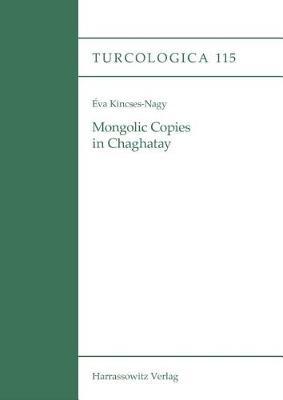
OverviewThe nature of Turkic-Mongolic language contacts has been central to Altaistics since the formation of the discipline. The rise of the Mongol Empire in the 13th century marks a turning point in Turkic-Mongolic language contacts. Before the Mongol era, Turkic was the dominant language, whereas after the conquest, Mongolic took over: several hundred words entered the Middle Turkic languages. Chaghatay was the language most strongly affected by Mongolic. However, this Eastern Middle Turkic literary language has not been thoroughly analyzed until now. The research methodology in this book is based on the research on bilingualism, primarily the code copying model developed by Lars Johanson. Dealing with about 300 Mongolic copies, the study by Eva Kincses-Nagy endeavors to uncover the history of the words in both Turkic and Mongolic languages in order to answer what kind of language contact these words reveal. It thoroughly examines the point in time when a given word appears in Turkic languages and how these words spread in modern Turkic languages. The study expands our knowledge on Turkic and Mongolian lexicology as well as on morphology, phonetics and semantics. It presents several new etymologies and strengthens or reshapes old ones. Full Product DetailsAuthor: Eva Kincses-NagyPublisher: Harrassowitz Imprint: Harrassowitz Volume: 115 Dimensions: Width: 17.00cm , Height: 2.00cm , Length: 23.90cm Weight: 0.567kg ISBN: 9783447110556ISBN 10: 3447110554 Pages: 292 Publication Date: 20 June 2018 Audience: General/trade , General Format: Paperback Publisher's Status: Active Availability: Available To Order We have confirmation that this item is in stock with the supplier. It will be ordered in for you and dispatched immediately. Table of ContentsReviewsAuthor InformationTab Content 6Author Website:Countries AvailableAll regions |
||||