|
|
|||
|
||||
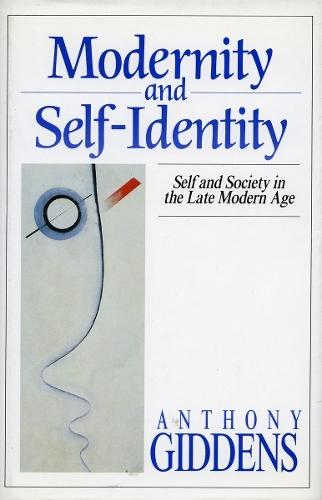
OverviewThis major study develops a new account of modernity and its relation to the self. Building upon the ideas set out in The Consequences of Modernity, Giddens argues that 'high' or 'late' modernity is a post-traditional order characterized by a developed institutional reflexivity. In the current period, the globalizing tendencies of modern institutions are accompanied by a transformation of day-to-day social life having profound implications for personal activities. The self becomes a 'reflexive project', sustained through a revisable narrative of self-identity. The reflexive project of the self, the author seeks to show, is a form of control or mastery which parallels the overall orientation of modern institutions towards 'colonising the future'. Yet it also helps promote tendencies which place that orientation radically in question - and which provide the substance of a new political agenda for late modernity. Full Product DetailsAuthor: Anthony GiddensPublisher: Stanford University Press Imprint: Stanford University Press Dimensions: Width: 15.50cm , Height: 2.30cm , Length: 23.50cm Weight: 0.525kg ISBN: 9780804719438ISBN 10: 0804719438 Pages: 264 Publication Date: 01 July 1991 Audience: College/higher education , Professional and scholarly , Undergraduate , Postgraduate, Research & Scholarly Format: Hardback Publisher's Status: Out of Print Availability: Awaiting stock Table of ContentsAcknowledgements; Introduction; 1. The contours of high modernity; 2. The self: ontological security and existential anxiety; 3. The trajectory of the self; 4. Fate, risk, and security; 5. The sequestration of experience; 6. Tribulations of the self; 7. The emergence of life politics; Notes; Glossary of concepts; Index.Reviews'This book supplies the missing psychological link in Anthony Giddens' ever more substantial body of work on the sociology of modernity ... rich and measured ... His dialectical approach, moreover, affords many insights into the interconnection between the invasive and disorienting effects of commercial and technical imperatives.' New Statesman and Society Author InformationTab Content 6Author Website:Countries AvailableAll regions |
||||