Overview
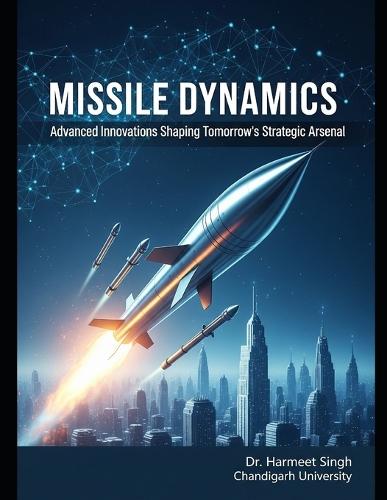
Missile technology has always been a cornerstone of modern warfare, shaping the doctrines of deterrence, strategic dominance, and national defense. As global security dynamics continue to evolve, so too does the science and engineering behind missile systems. The 21st century has ushered in a new era-marked by hypersonic speeds, artificial intelligence, network-centric operations, and growing environmental awareness-that challenges the traditional paradigms of missile warfare and introduces complex questions about their development, deployment, and control. This book, Missile Dynamics: Advanced Innovations Shaping Tomorrow's Strategic Arsenal, is a comprehensive exploration of the next generation of missile systems. It aims to serve as both an academic reference and a professional guide for engineers, strategists, defense analysts, policy-makers, and students of aerospace and defense studies. The text synthesizes emerging technological developments, their operational implications, and the regulatory and ethical frameworks that are being debated across the globe. The journey begins with foundational discussions on revolutionary advancements such as Hypersonic Glide Vehicles (HGVs) and directed energy weapons, exploring the physics, materials science, and engineering challenges involved in their development. It further delves into how artificial intelligence is transforming decision-making and adaptability in missile systems, and how network-centric warfare is reshaping the integration of missiles into multi-domain operations. Moreover, the book highlights groundbreaking concepts like swarm missile strategies and green propulsion technologies-areas that not only promise greater effectiveness on the battlefield but also align with broader sustainability goals. Each chapter connects technological innovations with their strategic consequences, offering a holistic understanding of where missile technology is headed and what that means for global security. Importantly, this work also tackles the regulatory, ethical, and geopolitical dimensions of missile innovation. It emphasizes that with great technological power comes even greater responsibility. As new systems emerge, international arms control frameworks and norms must adapt to ensure stability, transparency, and accountability in their use. These discussions are not merely technical; they are profoundly human and political in nature. The contents of this book are based on extensive research, drawing from scientific literature, defense publications, policy documents, and real-world case studies. Where appropriate, technical aspects are explained with clarity, without sacrificing the depth required for professional engagement. Tables and illustrations are included to aid comprehension, while each chapter concludes with reflections on the broader implications of the topic at hand. I hope this book not only informs but also inspires responsible innovation in the field of missile technology. As the world navigates the fine line between deterrence and escalation, it is imperative that the engineers, commanders, and policymakers of tomorrow are equipped with both cutting-edge knowledge and a conscientious outlook. This book is a small step toward that vision.
Full Product Details
Author: Harmeet Singh Chandigarh University
Publisher: Independently Published
Imprint: Independently Published
Dimensions:
Width: 21.60cm
, Height: 0.70cm
, Length: 27.90cm
Weight: 0.308kg
ISBN: 9798292924494
Pages: 126
Publication Date: 17 July 2025
Audience:
General/trade
,
General
Format: Paperback
Publisher's Status: Active
Availability: Available To Order

We have confirmation that this item is in stock with the supplier. It will be ordered in for you and dispatched immediately.