Awards
- Winner of Skipping Stones Book Award 2025 (United States)
Overview
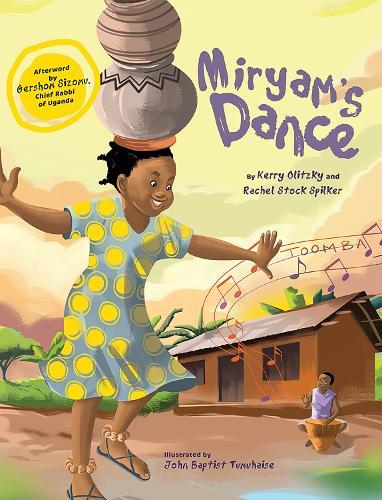
""A joyful peek into Jewish life in a place that is likely to be unfamiliar to many American readers.""--Booklist ""Young readers' images of Jewish people will expand with this portrayal of the Abayudaya, Jews of color in contemporary Uganda.. .This joyful, colorful, and well-designed book will make children and adults want to jump up and join in the dance."" --Sydney Taylor Shmooze ""Reminds readers that there are many Jewish communities worldwide, and they all celebrate Shabbat in their own ways."" --The Jewish Book Council Ugandan artist John Baptist Tumuhaise brings a Jewish Ugandan village to life in this story of a young girl who is distracted from her Shabbat preparation chores by the lure of a dance troupe that comes to her village. Young Miryam wakes to a bright morning and the many chores needed to help get ready for Friday night and Shabbat in her small Ugandan village. As readers follow her through her day, they learn elements of celebrating this weekly Jewish ritual that are both universal in Jewish culture and unique to the Jewish Ugandan community, the Abuyadaya, or Tribe of Judah. A glossary explains the names of ritual foods, Ugandan terms, and landmarks used in the story.
Full Product Details
Author: Kerry Olitzky ,
Rachel Stock Spilker ,
John Baptist Tumuhaise ,
Gershom Sizomu
Publisher: Behrman House Inc.,U.S.
Imprint: Apples and Honey Press
ISBN: 9781681156088
ISBN 10: 1681156083
Pages: 32
Publication Date: 10 November 2023
Recommended Age: From 5 years
Audience:
Children/juvenile
,
Children / Juvenile
Format: Hardback
Publisher's Status: Active
Availability: Temporarily unavailable

The supplier advises that this item is temporarily unavailable. It will be ordered for you and placed on backorder. Once it does come back in stock, we will ship it out to you.
Reviews
Miryam's Dance follows a Jewish girl in a Ugandan village as she dances through her family's preparations for Shabbat, the Sabbath. She collects plantains from the store and water from a pump. She interrupts her brothers' sweeping and gets distracted while helping her cousin pick mangoes and pawpaws. All the while, she hears the toomba toomba of distant drums. Finally, Miryam finds the source of the drumming: a group of dancers! She joins them as they celebrate Shabbat together in the village. In many ways, the setting is the star of this book. Authors Olitzky and Spilker mention details about the area ranging from the sound of the drum to particular foods. The brightly colored illustrations also give a strong feel of the village, showcasing everything from local clothing to mosquito nets to wildlife. In an appended letter, Gershom Sizomu, the chief rabbi of Uganda. explains a bit more about his community and their customs. A joyful peek into Jewish life in a place that is likely to be unfamiliar to many American readers. --Booklist Miryam wakes to the sound of drums and is lured to the place where musicians and dancers are practicing. Along the way, her family and friends remind her to do tasks to prepare for Shabbat, and they sigh when she is forgetful. Clearly this is not the first time Miryam has been distracted. She is invited to perform with the dancers that evening. As Miryam twirls, skips and cartwheels, the lively prose and dynamic illustrations propel the reader from page to page, caught up in her exuberance. At first her family is hesitant about dancing, but Miryam encourages them to experience a new, joyful way to celebrate Shabbat. The Ugandan character, Miryam, echoes the Miriam in the Exodus story, with her love of drums and dance, and her role of leading her community to dance with her. Although children may not catch this reference, it potentially builds a familiarity with the biblical Miriam. Young readers’ images of Jewish people will expand with this portrayal of the Abayudaya, Jews of color in contemporary Uganda. The familiar sight of Shabbat ritual objects - candlesticks, wine and challah - set in a rural African village provides a welcome view of Jews in a context outside the experience of most American Jews. The Jewish content makes this book a strong contender for the Sydney Taylor Book Award. The rich back matter includes a note written by the chief rabbi of Uganda, a glossary of Lugandan words, and a recipe to cook plantains. This joyful, colorful, and well-designed book will make children and adults want to jump up and join in the dance. --Sydney Taylor Shmooze Miryam lives in a small Jewish village in Uganda. As Shabbat approaches each week, her family cooks delicious food and prepares to spend the holiday with their community. One day, Miryam hears and becomes entranced by a rhythmic drumbeat. Instead of focusing on her Shabbat preparations, she follows the hypnotic sounds and finds a group practicing a special dance to welcome Shabbat. Miryam joins them and dances with abandon until she realizes her mother is waiting for her at home. When Shabbat arrives, Miryam rushes to join the dance troupe in their wonderful swaying motion. Her mother begins to admonish her, explaining that this is not the way they usually observe Shabbat; but Miryam reminds her that there are many ways to celebrate. In a very special Shabbat experience, Miryam and her mother accompany the dancers. An afterword written by the chief rabbi of Uganda, Gershom Sizomu, describes Jewish life in Uganda. He discusses the Abayudaya, which means “people of Judah” in the Luganda language. He details the African rhythms of Shabbat services and some of the foods that the Abayudaya enjoy. Color illustrations depict a beautiful landscape, complete with spectacular wildlife. This story reminds readers that there are many Jewish communities worldwide, and they all celebrate Shabbat in their own ways. --The Jewish Book Council
Miryam's Dance follows a Jewish girl in a Ugandan village as she dances through her family's preparations for Shabbat, the Sabbath. She collects plantains from the store and water from a pump. She interrupts her brothers' sweeping and gets distracted while helping her cousin pick mangoes and pawpaws. All the while, she hears the toomba toomba of distant drums. Finally, Miryam finds the source of the drumming: a group of dancers! She joins them as they celebrate Shabbat together in the village. In many ways, the setting is the star of this book. Authors Olitzky and Spilker mention details about the area ranging from the sound of the drum to particular foods. The brightly colored illustrations also give a strong feel of the village, showcasing everything from local clothing to mosquito nets to wildlife. In an appended letter, Gershom Sizomu, the chief rabbi of Uganda. explains a bit more about his community and their customs. A joyful peek into Jewish life in a place that is likely to be unfamiliar to many American readers. --Booklist Miryam wakes to the sound of drums and is lured to the place where musicians and dancers are practicing. Along the way, her family and friends remind her to do tasks to prepare for Shabbat, and they sigh when she is forgetful. Clearly this is not the first time Miryam has been distracted. She is invited to perform with the dancers that evening. As Miryam twirls, skips and cartwheels, the lively prose and dynamic illustrations propel the reader from page to page, caught up in her exuberance. At first her family is hesitant about dancing, but Miryam encourages them to experience a new, joyful way to celebrate Shabbat. The Ugandan character, Miryam, echoes the Miriam in the Exodus story, with her love of drums and dance, and her role of leading her community to dance with her. Although children may not catch this reference, it potentially builds a familiarity with the biblical Miriam. Young readers’ images of Jewish people will expand with this portrayal of the Abayudaya, Jews of color in contemporary Uganda. The familiar sight of Shabbat ritual objects - candlesticks, wine and challah - set in a rural African village provides a welcome view of Jews in a context outside the experience of most American Jews. The Jewish content makes this book a strong contender for the Sydney Taylor Book Award. The rich back matter includes a note written by the chief rabbi of Uganda, a glossary of Lugandan words, and a recipe to cook plantains. This joyful, colorful, and well-designed book will make children and adults want to jump up and join in the dance. --Sydney Taylor Shmooze Miryam lives in a small Jewish village in Uganda. As Shabbat approaches each week, her family cooks delicious food and prepares to spend the holiday with their community. One day, Miryam hears and becomes entranced by a rhythmic drumbeat. Instead of focusing on her Shabbat preparations, she follows the hypnotic sounds and finds a group practicing a special dance to welcome Shabbat. Miryam joins them and dances with abandon until she realizes her mother is waiting for her at home. When Shabbat arrives, Miryam rushes to join the dance troupe in their wonderful swaying motion. Her mother begins to admonish her, explaining that this is not the way they usually observe Shabbat; but Miryam reminds her that there are many ways to celebrate. In a very special Shabbat experience, Miryam and her mother accompany the dancers. An afterword written by the chief rabbi of Uganda, Gershom Sizomu, describes Jewish life in Uganda. He discusses the Abayudaya, which means ""people of Judah"" in the Luganda language. He details the African rhythms of Shabbat services and some of the foods that the Abayudaya enjoy. Color illustrations depict a beautiful landscape, complete with spectacular wildlife. This story reminds readers that there are many Jewish communities worldwide, and they all celebrate Shabbat in their own ways. --The Jewish Book Council Miryam, who lives in a small village in Uganda, wakes up Friday morning to the sound of drums and wants to dance. Her mother reminds her that Shabbat is coming and there is much she must do to help prepare for Shabbat. ""Now is not the time for dancing,"" her mother scolds. While Miryam and her friend Aliza collect fruit from the mango and pawpaw trees for the Shabbat treat, Miryam hears drum beats and wants to dance, but she needs to run errands for her mother and has no time to dance. As Miryam draws water from the well and fills a jug so that her mother will have water for her challah dough, Miryam sees dancers practicing for the Shabbat celebration. The dancers invite Miryam to join them and learn the dances. On Friday night when the villagers are sitting outdoors and a table is set with a white tablecloth, candle sticks, a large Kiddush cup and challah, the dancers enter the village. Miryam joins them and the village has a new Shabbat experience. Miryam is a delightful character. Her optimism and joy jump off the pages. The brightly colored illustrations enhance the book; especially beautiful are the dancers’ authentic costumes. Miryam’s Dance teaches that there are many different kinds of Jews around the world, but we all share the gift of a joyous Shabbat. In a note, Rabbi Gershom Sizomu, chief Rabbi of Uganda talks about Jewish Ugandan Shabbat customs such as singing, Shabbat dinner that includes Matoke (mashed plantains), smoked fish in peanut sauce, and fresh challah. The back matter includes a recipe for matoke and a few words in Lugandal. When you read this book aloud and the listeners get up and dance, join them! --Association of Jewish Libraries
Miryam wakes to the sound of drums and is lured to the place where musicians and dancers are practicing. Along the way, her family and friends remind her to do tasks to prepare for Shabbat, and they sigh when she is forgetful. Clearly this is not the first time Miryam has been distracted. She is invited to perform with the dancers that evening. As Miryam twirls, skips and cartwheels, the lively prose and dynamic illustrations propel the reader from page to page, caught up in her exuberance. At first her family is hesitant about dancing, but Miryam encourages them to experience a new, joyful way to celebrate Shabbat. The Ugandan character, Miryam, echoes the Miriam in the Exodus story, with her love of drums and dance, and her role of leading her community to dance with her. Although children may not catch this reference, it potentially builds a familiarity with the biblical Miriam. Young readers’ images of Jewish people will expand with this portrayal of the Abayudaya, Jews of color in contemporary Uganda. The familiar sight of Shabbat ritual objects - candlesticks, wine and challah - set in a rural African village provides a welcome view of Jews in a context outside the experience of most American Jews. The Jewish content makes this book a strong contender for the Sydney Taylor Book Award. The rich back matter includes a note written by the chief rabbi of Uganda, a glossary of Lugandan words, and a recipe to cook plantains. This joyful, colorful, and well-designed book will make children and adults want to jump up and join in the dance. --Sydney Taylor Shmooze
Author Information
Kerry Olitzky was named one of the fifty leading rabbis in North America by Newsweek and is well-known for inspiring books that bring Jewish wisdom tradition into everyday life. He is the former longtime executive director of Big Tent Judaism (formerly Jewish Outreach Institute) and served on the faculty/administration of Hebrew Union College-Jewish Institute of Religion. His most recent children's book is The Desert Unicorn (with Bonnie Grubman, Apples and Honey Press). He lives in North Brunswick, NJ. Rachel Stock Spilker has served as a cantor at Mount Zion Temple in St. Paul, Minnesota since 1997. She was ordained in 1996 from Hebrew Union College-Jewish Institute of Religion. She is currently working to establish an egalitarian mikveh in Minnesota. Rachel loves to travel and learn about other Jewish communities and has led congregational trips to Santa Fe, Cuba, and Morocco. She enjoys yoga, painting, and cooking. Rachel and her husband, Rabbi Adam Stock Spilker, are the proud parents of three children -- Eiden (who traveled with her to Uganda), Mirit, and Liam. She lives in Mendota Heights, MN. John Baptist Tumuhaise is a contemporary realist painter and children’s book illustrator. He has a passion for wildlife, which he brings to life with contrasting and harmonious colors and exiting compositions. He has been nominated for outstanding children’s book illustrator in Uganda. He lives and works in Kampala, Uganda. Gershom Sizomu is the Chief Rabbi of Uganda.