|
|
|||
|
||||
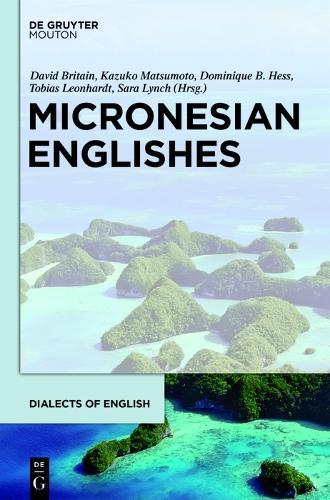
OverviewDespite increasing interest both in the nativisation of ‘world’ Englishes and in the study of ‘lesser-known’ varieties, some English-speaking areas are still entirely unexplored. One such area is Micronesia. English became a/the official language of the various Micronesian islands between 1892 and 1945, yet, beyond a couple of recent papers, there have been no published accounts whatsoever of the linguistic structure or sociolinguistic history of these territories. This book, based on empirical analyses of large corpora of spoken data from Palau, Guam, Saipan, Kosrae, Nauru, Kiribati and the Marshall Islands, examines both the structure –phonology, morphosyntax, lexis, discourse - as well as the sociolinguistic history and status of English in each territory. Each chapter takes into account possible substrate influence on these emerging Englishes, as well as contextualising the position of English with respect to other colonial and immigrant languages. The book also contains a chapter on the use of English in pre-20th century Micronesia – when it was used across the islands by whalers, beachcombers and missionaries - as well as a chapter examining the similarities and differences across the different new Micronesian Englishes. Full Product DetailsAuthor: David Britain , Kazuko Matsumoto , Dominique Hess , Tobias LeonhardtPublisher: De Gruyter Imprint: De Gruyter Mouton ISBN: 9781501516030ISBN 10: 1501516035 Pages: 300 Publication Date: 18 February 2026 Audience: Professional and scholarly , Professional & Vocational , Professional & Vocational Format: Hardback Publisher's Status: Active Availability: In Print This item will be ordered in for you from one of our suppliers. Upon receipt, we will promptly dispatch it out to you. For in store availability, please contact us. Table of ContentsReviewsAuthor InformationD. Britain, D. B. Hess, T. Leonhardt, S. Lynch, Bern, Switzerland; K. Matsumoto, Tokyo, Japan. Tab Content 6Author Website:Countries AvailableAll regions |
||||