|
|
|||
|
||||
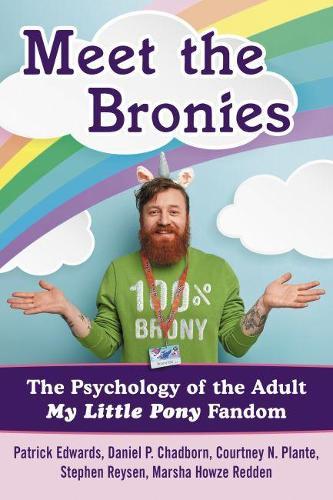
OverviewFull Product DetailsAuthor: Patrick Edwards , Daniel P. Chadborn , Courtney N. PlantePublisher: McFarland & Co Inc Imprint: McFarland & Co Inc Dimensions: Width: 15.20cm , Height: 1.50cm , Length: 22.90cm Weight: 0.404kg ISBN: 9781476663715ISBN 10: 1476663718 Pages: 303 Publication Date: 11 September 2019 Recommended Age: From 18 years Audience: Professional and scholarly , Professional & Vocational Format: Paperback Publisher's Status: Active Availability: Available To Order We have confirmation that this item is in stock with the supplier. It will be ordered in for you and dispatched immediately. Table of ContentsTable of Contents Acknowledgments Preface 1. Meet the Bronies! What Makes a Fan a Fan? A Crash Course in the History of MLP Okay, So What Is a Brony? What’s the Plan? 2. Science Is Magic: The History of Brony Study What Is Brony Study? The History Who Are the Brony Researchers? So What Kinds of Studies Have We Done? Wave One: 2012–2016 Wave Two: 2015–2018 What Does the Future Hold? 3. Sampling, Statistics, Research Design and Other Nerd Stuff A Crash Course in the Scientific Method Operationalization: Putting Numbers to Experience The Science (and Art) of Study Design Sampling: Who Are We Talking About Data Analysis: Making Sense of the Numbers Limitations and the Fallacy of the Perfect Study 4. Just How Extremely Unexpected Are the Adult Fans of My Little Pony? The Prototypical Brony: It Isn’t the “Mane” Thing About Them Basic Demographics Age and Sex Fandom Membership Sexual Orientation Dating Life The Brony Typology Conclusion 5. From Ponyville to Manehattan: The Background and Family Life of Bronies Where the Herd Roams Suited for Success Education Employment Being a Pear in a Family of Apples: Brony Parents and Acceptance Praise the Sun and Rock the Vote: Bronies, Spirituality and Politics Conclusion 6. Equestria Girls and Pony Boys: A Few Final Demographic Comparisons Sex Differences in the Brony Fandom Demographic and Personality Differences Motivations and Exposure Feminism Comparing Bronies to Non-Bronies Conclusion 7. Welcome to Equestria: The Making of a Brony How People Think Bronies Come to Be Common Paths to MLP Discovery The Role of Social Media and the Internet “I just don’t know what went wrong”: Accidental Fans Friends, Family and the Power of Word of Mouth Why Did It Have to Be Ponies? 8. Come for the Show, Stay for the Swag Watching MLP How Bronies Watch: Immersion Watching Fan-Made Content Convention Attendance Brony Swag 9. “Yes, but why?” Brony Motivation Early Studies of Fans: What Motivates Sport Fans? Explaining Fan Motivations in Non-Sport Fans The Multi-Dimensional Motivation of Bronies Fandom Functions: What Does Being a Brony Do for You? Conclusion 10. The Pony I Want to Be The Allure of Interesting Characters No, Really, Who is “Best Pony”? What Your Favorite Pony Says About You Identifying with Characters 11. Rule 34: Ponies, Pornography and Perceptions of the Fandom That Which Shall Not Be Named: The History of “Rule 34” Rule 34 Pornography, Art and History Pornography and Fandom Pornography and the Brony Fandom Support Exposure General Consumption Who Consumes? Production and Sharing of Explicit Content What Should the Fandom Do? Conclusion 12. The World Outside MLP Subgroups Within the Brony Fandom Interest in Other Fandoms Bronies and Internet Culture 13. “One of us”: Bronies as a Fandom Understanding Group Psychology: The Social Identity Perspective Understanding Group Psychology: Self-Categorization Theory Applying Group Psychology Theories to Fan Groups 159 Fanship Fanship, Fandom and Engagement with MLP and the Brony Community Fanship, Fandom and Sense of Brony Community Fanship, Fandom and Brony Meet-Ups and Conventions Conclusion 14. “Where I belong”: Other Motivations for Fandom Participation “I’ll be there for you”: Where Bronies Seek Social Support Optimal Distinctiveness Theory Me or Somepony Like Me “Who am I and why am I here?” Purpose in Life Conclusion 15. Inter–and Intra-Fandom Dynamics “My fandom’s better than yours!” “Real” vs. “Fake” Bronies: Gatekeeping, Status and Entitlement “Join the herd!” New Brony Recruitment 16. Personality Profiles of People Who Prefer Ponies The Big Five Dimensions of Personality Personality and Fans Bronies versus Non-Bronies Correlations of the Big Five Dimensions in Bronies A Word of Caution: A Social Identity Perspective of the Big Five Personality Dimensions 17. “Eww, bronies!” Stigma Toward the Brony Fandom Fandom Stigma Bullying and Hiding One’s Brony Identity Coping with Stigma: Denial of Personal Discrimination Coping with Stigma: Rejection Identification Coping with Stigma: Change in Discrimination (“Things are getting better!”) Reducing Stigma Toward Bronies: Non-Bronies’ Exposure to MLP Conclusion 18. Bronies: A Surprisingly Happy, Well-Adjusted Group of Fans Fandoms, Friendships and Well-Being: Wann’s Model of Identification and Well-Being Fan Conventions, Well-Being Highs and Post-Con Depression Prevalence of Psychological Conditions in Brony Fandom Identifying as a Brony and Well-Being Perceived Change in Well-Being Conclusion 19. Making the World Better, One Kind Act at a Time From Charity to Protest: Why People Help Media Effects Fandom and Helping Moral Message Moral Foundations and Perception Reason for Liking the Show Fandom Comparison Change in Helping Giving and Receiving Help Within the Brony Fandom Prosocial Fandom Norms Conclusion 20. All Good Things: The Future of Friendship and the Fandom Expectations of Future Involvement Predicting Future Involvement Why Do People Leave the Fandom? What the Future Holds Nostalgia’s One Hell of a Drug Sharing Spaces Protecting the Fandom The Show and the Fandom Conclusion: All Good Things 21. Dear Princess Celestia: Parting Words from Bronies and the Research Team Dear Brony Study Dear Princess Celestia Chapter Notes References IndexReviewsAuthor InformationPatrick Edwards is a retired clinician who has been working in the field and teaching for well over 30 years. He is the founder of the Brony Study Project and has published both within the field and recently finishing a series of fantasy fiction novels based on fan experience and psychology inspired by his work with the brony community. He lives in Spartanburg, South Carolina. Daniel P. Chadborn is an assistant professor of psychology at New Mexico Highlands University. He has published a number of papers in both psychological and cross-disciplinary journals on social identity, fan culture, and their association with a number of factors including stigma, charitable giving, inspiration, and sense of community. He lives in Las Vegas, New Mexico. Courtney N. Plante is a faculty member at MacEwan University in Canada and is a co-founder of the International Anthropomorphic Research Project which has studied the furry fandom for over a decade. His published works on fandom research, media influence on behavior, as well as other interests span a variety of topics within the social psychological perspective. Stephen Reysen is an associate professor of psychology at Texas A&M University–Commerce, and has had a longstanding interest in researching fan communities. His research focuses on personal and social identity, as well as global citizenship. Marsha Howze Redden is a retired full-time clinician with more than 30 years working in clinical practice. In addition to volunteer work she has continued to maintain her license and maintains a small private practice. She lives in Spartanburg, South Carolina. Tab Content 6Author Website:Countries AvailableAll regions |
||||