Overview
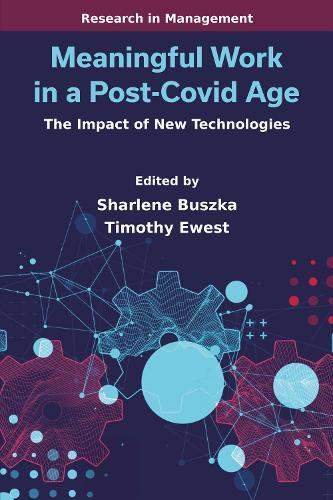
The Covid-19 pandemic triggered an unprecedented shift to remote work, made possible by a vast array of technologies. While the frequency of remote work has decreased post-pandemic, many workers and organizations are now embracing remote and hybrid work options. Technologies that proved beneficial during the pandemic continue to be used, and the explosion of AI across industries has left many wondering about the future of work and society. Meaningful Work in a Post-Covid Age: The Impact of New Technologies presents examples of how technology can enhance efficiency and effectiveness in education, industry, and healthcare when used to support organizational stakeholders. However, it also cautions that we must consider the long-term impact of technology on human well-being. The widespread use of new technologies has resulted in lasting shifts in organizational and worker mindsets about what is considered normal, appropriate, and desirable in how and where work is performed. These changes have also impacted how meaningful work is experienced. The book addresses the underlying concern about whether the pervasive use of technology will result in net benefits or losses to society. Technology that focuses primarily on efficiency at the expense of relational and creative needs can detract from the meaningfulness of life and work, leading to worker unrest and alienation, and potentially impacting the physical and mental health of the global population. Meaningful Work in a Post-Covid Age presents models and tools to help leaders, decision-makers, and workers navigate their organizations and careers to find meaningful work amidst the accelerating growth of new technologies.
Full Product Details
Author: Sharlene Buszka (Daemen University, USA) ,
Timothy Ewest (Houston Christian University, USA)
Publisher: Emerald Publishing Limited
Imprint: Emerald Publishing Limited
Dimensions:
Width: 15.60cm
, Height: 1.50cm
, Length: 23.40cm
Weight: 0.422kg
ISBN: 9781805922315
ISBN 10: 1805922319
Pages: 280
Publication Date: 25 November 2025
Audience:
Professional and scholarly
,
Professional & Vocational
Format: Paperback
Publisher's Status: Active
Availability: In Print

This item will be ordered in for you from one of our suppliers. Upon receipt, we will promptly dispatch it out to you. For in store availability, please contact us.
Author Information
Dr. Sharlene Buszka has a PhD in Social Research and an MBA with a Certificate in Human Resource Management. She is certified as a Senior Professional in Human Resources (SPHR) from the Society of Human Resource Management (SHRM). She recently retired from Daemen University, USA where she was a Professor of Business Administration specializing in Human Resource Management. Dr Timothy Ewest has worked in higher education since 2002 teaching leadership, ethics, and corporate social responsibility. He is an Associate Professor, Department Chair and Prince-Chavanne Research Chair at Houston Christian University, USA. He also serves on the executive team at the Academy of Management as a research member at large and is a former Visiting Research Collaborator at Princeton University’s Faith and Work Initiative.