|
|
|||
|
||||
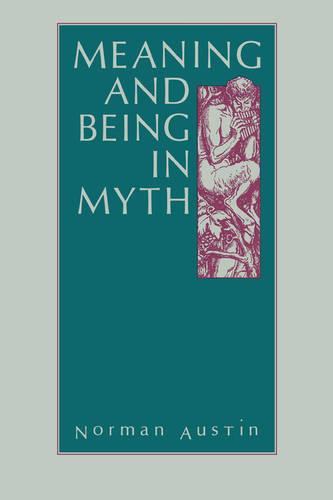
OverviewNorman Austin has organized his analysis of classical Greek myths around Lacan's dichotomy between (ineffable) Being and the meanings imposed upon Being by culturally determined signifiers. The primary signifiers in myth (the gods), as projections of contradictory meanings, impel human consciousness in contradictory directions: toward herioc self-realization, on the one hand, and into the fear, guilt, and despair resulting from failure, on the other. The gods both reveal and occlude that which they signify--the signified; ultimately, Being itself.Austin includes one chapter on the father's ghost in Shakespeare's Hamlet, and another on Albert Camus's The Stranger, as examples of the power of mythical archetypes to reveal and occlude Being, even when the apparatus of gods has been excluded. Despite their pessimism, ancient myths also affirm that the paradoxes are not insoluble. Austin concludes by outlining the profile of the Universal Self intimated in myth, religion, and philosophy as the joint venture of the world realized in conciousness, conciousness realized in consciousness, and consciousness realized in the world.""Austin's prose is as lively and engaging as it is accurate and rigorous, a combination that is rare in scholarly writing. "" --- John Peradotto, SUNY, Buffalo Full Product DetailsAuthor: Norman Austin (Retired)Publisher: Pennsylvania State University Press Imprint: Pennsylvania State University Press Dimensions: Width: 15.20cm , Height: 1.50cm , Length: 22.90cm Weight: 0.408kg ISBN: 9780271028231ISBN 10: 0271028238 Pages: 252 Publication Date: 15 February 1990 Audience: General/trade , General Format: Paperback Publisher's Status: Active Availability: Manufactured on demand We will order this item for you from a manufactured on demand supplier. Table of ContentsReviewsAustin's prose is as lively and engaging as it is accurate and rigorous, a combination that is rare in scholarly writing. --John Peradotto, SUNY, Buffalo Austin s prose is as lively and engaging as it is accurate and rigorous, a combination that is rare in scholarly writing. John Peradotto, SUNY, Buffalo Author InformationTab Content 6Author Website:Countries AvailableAll regions |
||||