Overview
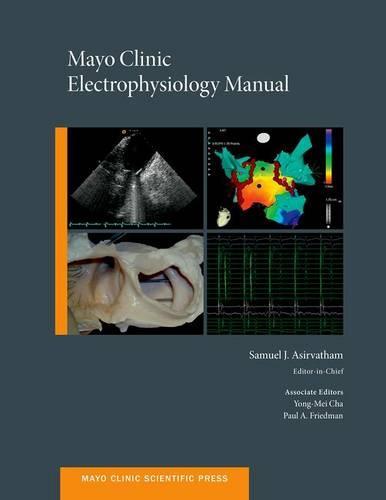
Mayo Clinic Electrophysiology Manual is the first comprehensive guide to the electrical activity of biological cells and tissues and the techniques of electrophysiology. Through a case-based discussion of patients with arrhythmias, the book illustrates the various contemporary techniques for diagnosis, imaging, and physiology-based therapeutic ablation. Section One addresses the basics of electrophysiology, including device placement, recording, measurement, diagnosis, imaging, amperometry, and physiology-based therapeutic ablation, helping the reader appreciate and more fully understand the complexity and lessons of the emergent specialty. The second section is a case-based discussion of adult and pediatric arrhythmias broken down into twenty patient case studies intended to help the student and clinician apply their understanding of electrophysiology to real presentations, and think about how to plan and execute invasive study and ablation. Each of the twenty case chapters features a question and answer section in order to aid study and retention of material. Replete with full-page color images of intracardiac electrograms, fluoroscopic images, ultrasound images, advanced mapping, and correlated anatomic dissection, Mayo Clinic Electrophysiology Manual is the first focused exploration of the topic and is specifically designed to help both students and practitioners understand and integrate techniques into their daily practice. At present, clinicians have to piece together information on electrophysiology from a variety of sources, often leaving gaps in knowledge. Mayo Clinic Electrophysiology Manual provides the clinician with a single authoritative guide and quick reference. Through in-depth analysis of electrophysiological techniques and an understanding of the anatomic and physiological basis for present day mapping, image integration, and ablation, this volume is an indispensable resource for students, practicing physicians, researchers, and experts in electrophysiology. Includes 12 months of free online access with purchase.
Full Product Details
Author: Samuel J. Asirvatham (, Vice Chair of Cardiovascular Innovation, Division of Cardiovascular Diseases, Department of Internal Medicine, Mayo Clinic Rochester, NY, USA) ,
Yong-Mei Cha (, Consultant, Division of Cardiovascular Diseases, Mayo Clinic, Rochester, NY, USA) ,
Paul Friedman (, Consultant, Division of Cardiovascular Diseases, Mayo Clinic, Rochester, NY, USA)
Publisher: Oxford University Press Inc
Imprint: Oxford University Press Inc
Dimensions:
Width: 27.90cm
, Height: 4.30cm
, Length: 21.60cm
Weight: 1.978kg
ISBN: 9780199941193
ISBN 10: 019994119
Pages: 728
Publication Date: 28 November 2013
Audience:
Professional and scholarly
,
Professional & Vocational
Format: Paperback
Publisher's Status: Active
Availability: Manufactured on demand

We will order this item for you from a manufactured on demand supplier.
Reviews
This will be an excellent reference for clinicians in training and practicing cardiac electrophysiologists. The questions and case-based format will be particularly helpful to those in training. Doody's Notes
<br> This is a thorough, well organized and highly readable manual of clinical electrophysiology with abundant clear figures emphasizing the arrhythmia and the underlying anatomy. It is capped off with a series of cases providing the reader with a chance to hone what they learned in the preceding chapters with real clinical scenarios. This should be very popular with any serious student of electrophysiology. <br>-- George J. Klein, MD, FRCP(C), Professor of Medicine, University of Western Ontario, London, ON, Canada <br><p><br> Asirvatham and his colleagues from the Mayo Clinic have produced what surely will be a classic work in the field of cardiac electrophysiology. This book is a treasure. It is a unique compendium of cases and principles in electrophysiology that combine anatomy, electrophysiology and clinical imaging. Through a comprehensive discussion of specific cases, the authors prepare the cardiac electrophysiologist to appreciate the anatomy of physiology of the problems faced on a daily basis caring for patients with cardiac arrhythmias. The figures and anatomic drawings are spectacular and cannot be found in any other textbook. These drawings are in and of themselves a testament to one of the world's remaining powerhouses of medical illustration...After devouring this book, my only complaint is I hope I do not have to wait too long for the next edition. <br>-- Kenneth A. Ellenbogen, MD, Kontos Professor of Cardiology, Virginia Commonwealth University School of Medicine, Richmond, VA <br><p><br> This text is indeed a manual as stated in the title with the primary goal of instructing in the performance of procedures in the clinical electrophysiology laboratory, which in current use is more appropriately termed the catheter ablation laboratory. However, the term manual greatly understates the depth and scope of the text. There are abundant illustrations and enlightened discussions of the mechanisms of arrhythmias and the anatomic variations and anomali
Author Information
Samuel J. Asirvatham, Editor-in-Chief, Vice Chair of Cardiovascular Innovation, Division of Cardiovascular Diseases, Department of Internal Medicine, Mayo Clinic