Overview
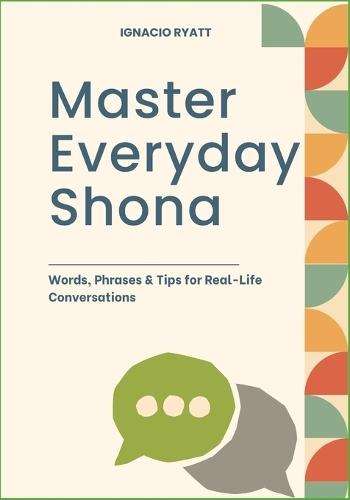
Shona is a major Bantu language that is predominantly spoken in Zimbabwe, where it is an official language, as well as in neighboring countries such as Mozambique, Zambia, and Botswana and elsewhere. Making it the largest language group in Zimbabwe, it is the mother dialect of approximately 11 million individuals. - Phonology and Pronunciation: Shona has a relatively simple vowel system with five vowels: a, e, i, o, u. The pronunciation is largely phonetic, which means words are generally pronounced as they are written. Consonants can be quite varied, with a number of unique sounds like click consonants, which are present in some dialects, though not in all. There are also distinct tonal aspects in Shona; tones can change the meaning of a word, even if the spelling is the same. So, it's essential to be mindful of both pitch and rhythm when speaking. - Grammar: The structure of Shona grammar is typical of Bantu languages, with a focus on noun classes. Nouns in Shona are grouped into classes that dictate the form of verbs, adjectives, and pronouns. These classes are marked by prefixes. For example, mu- is often used for people, as in mudzidzi (student), and chi- is used for things, as in chikafu (food). - Verb Conjugation: Shona verbs are conjugated based on tense, aspect, mood, and subject. One of the fascinating features of Shona is the way verbs change depending on who is performing the action, the action's tense, and whether the action is completed or ongoing. For example, the verb kudya (to eat) will change depending on the subject and tense: Ndiri kudya (I am eating) Ndakadya (I ate) Ndichadya (I will eat) - Cultural and Social Context: Shona has a rich oral tradition, and its literature, music, and storytelling are deeply interwoven with the language. The Shona people are known for their sculpture, especially stone sculptures, and the language has many words related to art and expression. In addition, Shona proverbs and idioms are an important part of daily communication and convey wisdom and humor. - Learning Shona: For learners, one of the most rewarding aspects of studying Shona is gaining insight into the vibrant culture of the Shona-speaking people. Being able to speak the language opens up opportunities to connect with communities, understand the nuances of their customs, and gain a deeper appreciation of the history of Zimbabwe.
Full Product Details
Author: Ignacio Ryatt
Publisher: Independently Published
Imprint: Independently Published
Dimensions:
Width: 17.80cm
, Height: 1.00cm
, Length: 25.40cm
Weight: 0.336kg
ISBN: 9798281653602
Pages: 188
Publication Date: 27 April 2025
Audience:
General/trade
,
General
Format: Paperback
Publisher's Status: Active
Availability: Available To Order

We have confirmation that this item is in stock with the supplier. It will be ordered in for you and dispatched immediately.