Overview
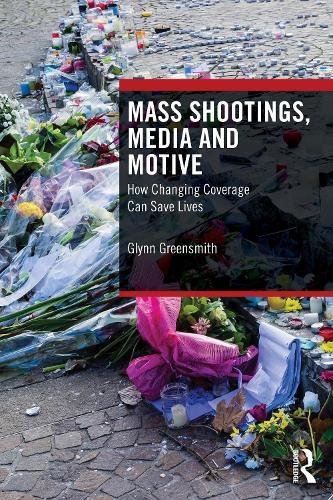
Media coverage is a hugely significant factor in the rise, frequency, and lethality of mass shootings. After the murder of 16 people at the University of Texas in 1966, the crime of random mass shootings went from an oddity, a rarity, to widespread. What changed? In simple terms: the news did. This book uses major cultural events in Australia (Port Arthur and Bondi Beach), Scotland (Dunblane), Norway (Oslo), New Zealand (Christchurch), and the US to synthesise 60 years of mass shooting research into the journalism perspective, outlining: the script of coverage, the nature of copycat versus contagion, the typology and lessons from the amok phenomenon, and the relevance of the rise of single-actor terrorism. It outlines the history of mass murder, details the turning points, and brings first-hand accounts from those who have been directly impacted by it, and those who have reported it. This book outlines changes to reporting guidelines that have been made, and the news editors who made those changes explain exactly why and how they did it. This book details and recommends changes that can be made: recommendations for reporting guidelines that can make a difference, that can unquestionably save lives. How we tell a story matters, and, in the case of mass murder, the journalism perspective is essential. Change the story, change the crime.
Full Product Details
Author: Glynn Greensmith
Publisher: Taylor & Francis Ltd
Imprint: Routledge
ISBN: 9781032874296
ISBN 10: 1032874295
Pages: 280
Publication Date: 16 April 2026
Audience:
College/higher education
,
Professional and scholarly
,
Tertiary & Higher Education
,
Professional & Vocational
Format: Paperback
Publisher's Status: Forthcoming
Availability: Not yet available

This item is yet to be released. You can pre-order this item and we will dispatch it to you upon its release.
Reviews
This book succeeds at two levels. The first is as a well documented and thoughtfully argued critique of how the media, over the last 48 years, have inadvertently contributed to the escalating number of lone actor mass killings. It then makes clear how the media can stop being part of the problem and become part of the solution. The second element is a masterly account of lone actor mass killers which could stand alone as a first rate piece of journalism, in addition to illustrating the book's central theme. Prof Paul Mullen, forensic psychiatrist and author of Running Amok: Inside The Mind Of The Lone Mass Killer This excellent book is a must-read for journalists, and especially for anyone in the media reporting on mass murder. It comes with a timely, authoritative and critical message ‘Change the story, change the crime’, a message that must be heeded if the horrific spread of random mass killings, which has impacted too many of our lives in recent decades, is to be reversed. Mick North, father of a victim of the Dunblane Primary School massacre and author of Dunblane: Never Forget
This book succeeds at two levels. The first is as a well documented and thoughtfully argued critique of how the media, over the last 48 years, have inadvertently contributed to the escalating number of lone actor mass killings. It then makes clear how the media can stop being part of the problem and become part of the solution. The second element is a masterly account of lone actor mass killers which could stand alone as a first rate piece of journalism, in addition to illustrating the book's central theme. Professor Paul Mullen, forensic psychiatrist and author of Running Amok: Inside the Mind of the Lone Mass Killer This excellent book is a must-read for journalists, and especially for anyone in the media reporting on mass murder. It comes with a timely, authoritative and critical message ‘Change the story, change the crime’, a message that must be heeded if the horrific spread of random mass killings, which has impacted too many of our lives in recent decades, is to be reversed. Mick North, father of a victim of the Dunblane Primary School massacre and author of Dunblane: Never Forget
Author Information
Glynn Greensmith is a senior lecturer in journalism and course coordinator at Curtin University in Western Australia. He spent 18 years with the Australian public broadcaster the ABC. He is a WA Media Award winner and has multiple teaching and media engagement awards.