|
|
|||
|
||||
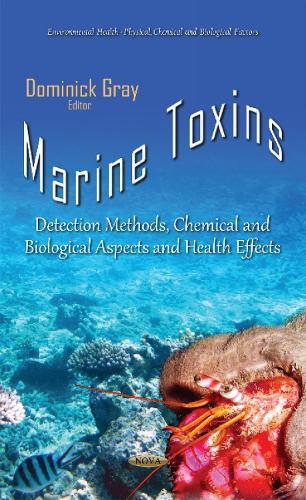
OverviewIn areas where toxic algal blooms occur, the main affected organisms are shellfish, which, because of their high levels of filtration (clearance rate), accumulate high concentrations of nutrients and toxic phytoplankton in their visceral tissue. This accumulation of toxins in shellfish leads to a distribution of these toxins to their different non-visceral tissues. Chapter One of Marine Toxins: Detection Methods, Chemical and Biological Aspects and Health Effects discusses the detection and quantification of lipophilic marine biotoxins by liquid chromatography tandem mass spectrometry from endemic species and gastropods. Chapter Two present studies which use the similarity analysis of paralytic shellfish poisoning toxins (PSP-toxins) profile patterns to analyse epidemiological linkage of a group of toxins contaminated bivalves collected between years 2004 and 2015. Chapter Three provide an overview of the current status of biomarker use in the assessment of the effects of marine toxins on bivalve mollusks. Chapter Four reviews the latest research on the biological and clinical effects of caulerpenyne. Full Product DetailsAuthor: Dominick GrayPublisher: Nova Science Publishers Inc Imprint: Nova Science Publishers Inc Weight: 0.342kg ISBN: 9781634838245ISBN 10: 1634838246 Pages: 93 Publication Date: 01 February 2016 Audience: College/higher education , Postgraduate, Research & Scholarly Format: Hardback Publisher's Status: Active Availability: Available To Order We have confirmation that this item is in stock with the supplier. It will be ordered in for you and dispatched immediately. Table of ContentsFor Complete Table of Contents, please visit our website at: https://www.novapublishers.com/catalog/product_info.php?products_id=57035ReviewsAuthor InformationTab Content 6Author Website:Countries AvailableAll regions |
||||