Full Product Details
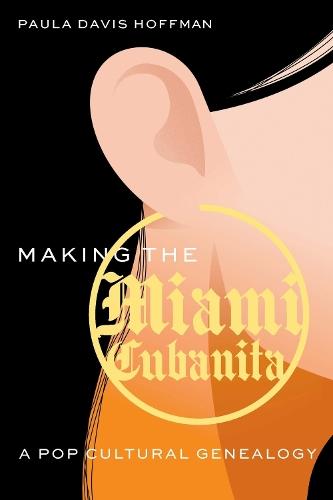
Author: Paula Davis Hoffman
Publisher: University of Nebraska Press
Imprint: University of Nebraska Press
ISBN: 9781496240170
ISBN 10: 1496240170
Pages: 306
Publication Date: 13 February 2026
Audience:
College/higher education
,
Postgraduate, Research & Scholarly
Format: Hardback
Publisher's Status: Active
Availability: Not yet available

This item is yet to be released. You can pre-order this item and we will dispatch it to you upon its release.
Reviews
""From Joan Didion to Desi Arnaz, many cultural workers have tried to make sense of the complexities of Cuban American identity, especially in Miami. Paula Davis Hoffman's highly readable Making the Miami Cubanita is a particularly deft examination of this community, its contradictions, and its meanings. This fabulous book takes readers on quite a ride!""—Jason Ruiz, author of Narcomedia: Latinidad, Popular Culture, and America's War on Drugs ""Paula Davis Hoffman's readings of Miami Cuban culture bring a fresh critical perspective to our understanding of gendered diasporic cubanidad, for those who are specialists in Cuban American studies as well as for Latinx studies scholars. I cannot stress enough the importance of these two contributions. A pressing need to challenge and complicate reigning scholarly paradigms regarding gendered diasporic cubanidades exists, and this text successfully takes up that call.""—María Elena Cepeda, author of Musical ImagiNation: U.S.-Colombian Identity and the Latin Music Boom ""Paula Davis Hoffman's study is a sprawling, challenging addition to the ever-evolving body of research on the various versions of the Cuban American experience. Making the Miami Cubanita poses significant questions about how gender, race, and ethnicity intersect in the Magic City.""—Jennine Capó Crucet, author of Say Hello to My Little Friend: A Novel ""Deeply researched yet highly personal, rich, and complex yet thoroughly entertaining, this history of Cuban femininity—centered on the rise of the Miami chonga—marks a new milestone in the Cuban American canon. A must-read!""—Lisandro Pérez, author of The House on G Street: A Cuban Family Saga ""Interdisciplinary, thought-provoking, and engaging. Mixing memoirs, government policy, radio, television, and film as primary sources helps readers to understand the genealogy of the Miami Cuban in general, and the cubanita to the chonga specifically. This book's deep history, political foregrounding, and textual analysis of media make it readable and informative to any audience.""—Adrien P. Sebro, author of Scratchin' and Survivin': Hustle Economics and the Black Sitcoms of Tandem Productions
""Deeply researched yet highly personal, rich, and complex yet thoroughly entertaining, this history of Cuban femininity--centered on the rise of the Miami chonga--marks a new milestone in the Cuban American canon. A must-read!""--Lisandro Pérez, author of The House on G Street: A Cuban Family Saga ""From Joan Didion to Desi Arnaz, many cultural workers have tried to make sense of the complexities of Cuban American identity, especially in Miami. Paula Davis Hoffman's highly readable Making the Miami Cubanita is a particularly deft examination of this community, its contradictions, and its meanings. This fabulous book takes readers on quite a ride!""--Jason Ruiz, author of Narcomedia: Latinidad, Popular Culture, and America's War on Drugs ""Interdisciplinary, thought-provoking, and engaging. Mixing memoirs, government policy, radio, television, and film as primary sources helps readers to understand the genealogy of the Miami Cuban in general, and the cubanita to the chonga specifically. This book's deep history, political foregrounding, and textual analysis of media make it readable and informative to any audience.""--Adrien P. Sebro, author of Scratchin' and Survivin' Hustle Economics and the Black Sitcoms of Tandem Productions ""Paula Davis Hoffman's readings of Miami Cuban culture bring a fresh critical perspective to our understanding of gendered diasporic cubanidad, for those who are specialists in Cuban American studies as well as for Latinx studies scholars. I cannot stress enough the importance of these two contributions. A pressing need to challenge and complicate reigning scholarly paradigms regarding gendered diasporic cubanidades exists, and this text successfully takes up that call.""--María Elena Cepeda, author of Musical ImagiNation: U.S.-Colombian Identity and the Latin Music Boom ""Paula Davis Hoffman's study is a sprawling, challenging addition to the ever-evolving body of research on the various versions of the Cuban American experience. Making the Miami Cubanita poses significant questions about how gender, race, and ethnicity intersect in the Magic City.""--Jennine Capó Crucet, author of Say Hello to My Little Friend: A Novel
Author Information
Paula Davis Hoffman is an adjunct professor of history at Houston City College.