Overview
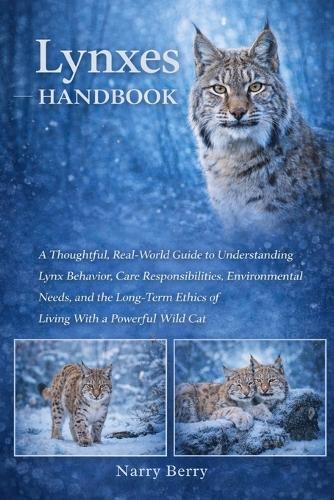
Lynxes are quiet, watchful predators built for cold landscapes, patience, and sudden speed. They can appear calm and self-contained, but their needs are complex, their instincts remain fully wild, and their tolerance for human pressure is often far lower than people expect. LYNXES HANDBOOK is a realistic guide for readers who want honest understanding-how lynxes behave, what environments they require, and what responsibility truly means when people consider living alongside a powerful wild cat. This book explains lynx behavior in practical terms, including territorial instincts, stress signals, communication, and the ways routine and space shape stability. You'll learn why lynxes rely on control of their environment, how seasonal cycles and temperature influence activity, and why enrichment must mimic natural challenges rather than human entertainment. The handbook also addresses the less comfortable realities: secure housing and escape prevention, handling limits, veterinary planning for a wild felid, and the legal and ethical questions that must be taken seriously long before any commitment is made. Instead of encouraging closeness, this guide emphasizes structure, boundaries, and welfare-first decisions. It helps readers understand the difference between fascination and responsibility, and it makes clear that ethical living with a wild cat is not about ownership or control-it is about long-term commitment, safety, and respect for the animal's nature. What you'll learn inside Lynx biology and behavior: instincts, daily rhythms, and common stress triggers Communication and body language: how to recognize calm, fear, overstimulation, and defensive intent Environmental needs: space, vertical structure, privacy, temperature considerations, and low-stress habitat design Diet realities and feeding structure, including why shortcuts create health and behavior problems Enrichment that supports natural behavior: movement, scent work, climbing, and controlled novelty Safety and handling limits: why risk prevention and boundaries matter more than confidence Health monitoring and veterinary planning for a sensitive wild felid Legal and ethical responsibility: compliance, welfare standards, and the consequences of poor decisions Long-term stewardship: finances, life changes, contingency planning, and aging care Benefits of this handbook Clear, reality-based understanding of lynx behavior and needs More realistic expectations about space, cost, and daily responsibility Practical guidance for reducing stress and supporting welfare through structure Better safety awareness through prevention-focused management Strong ethical perspective that prioritizes respect, boundaries, and long-term commitment
Full Product Details
Author: Narry Berry
Publisher: Independently Published
Imprint: Independently Published
Dimensions:
Width: 15.20cm
, Height: 1.00cm
, Length: 22.90cm
Weight: 0.245kg
ISBN: 9798243057349
Pages: 176
Publication Date: 08 January 2026
Audience:
General/trade
,
General
Format: Paperback
Publisher's Status: Active
Availability: Available To Order

We have confirmation that this item is in stock with the supplier. It will be ordered in for you and dispatched immediately.